

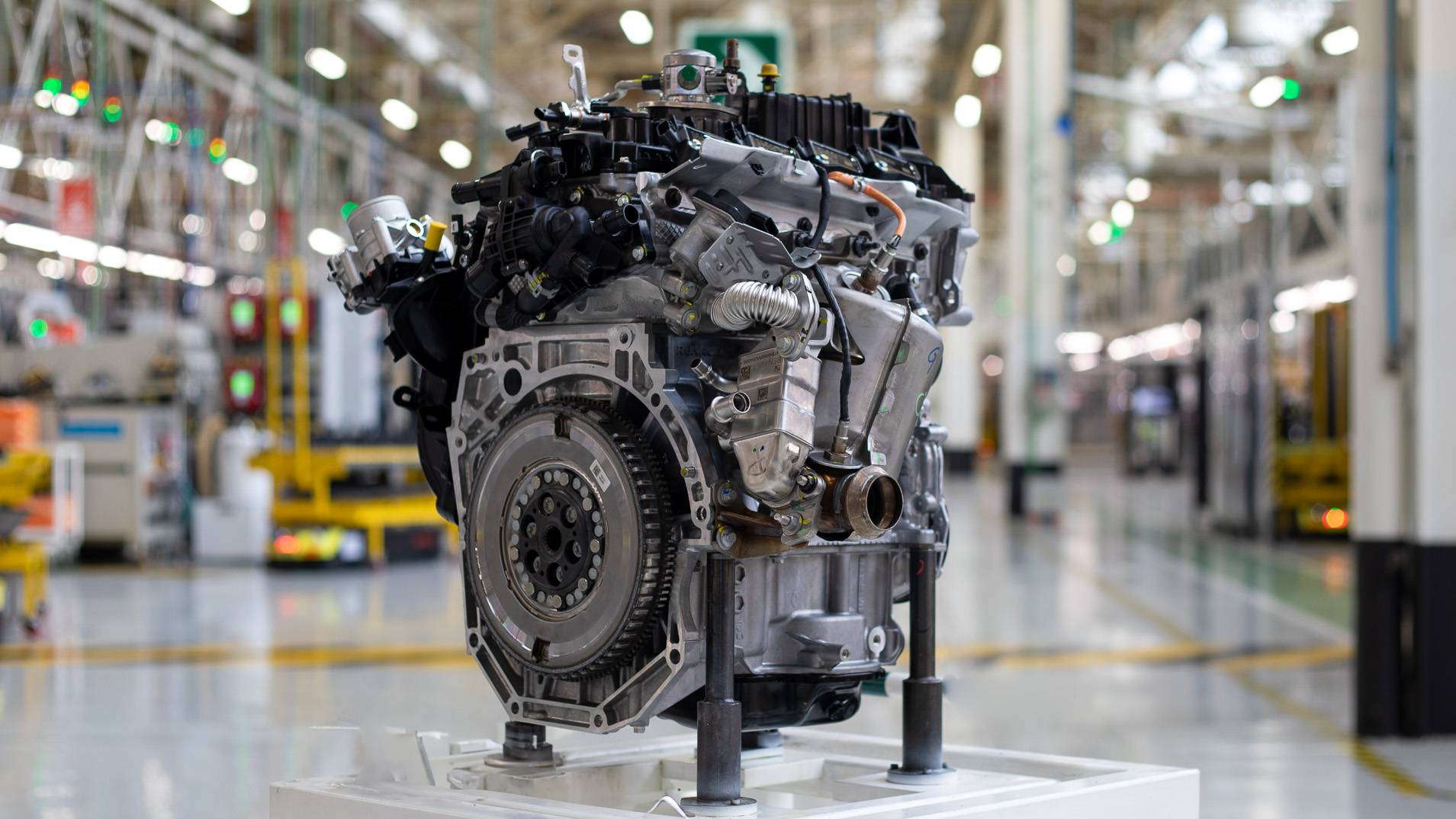
How much is a new engine for a car
Marine electrical systems face extraordinary challenges that land-based installations never encounter. Saltwater corrosion, extreme humidity, constant vibration, thermal fluctuations, and unpredictable operational demands create a perfect storm of stress on electrical components. Whether you operate a cargo vessel, offshore platform, or specialized maritime equipment, understanding and preventing common electrical problems can save hundreds of thousands of dollars in unplanned repairs and lost operational time.
This comprehensive guide explores the most common marine electrical problems experienced by ship owners, marine engineers, and shipyard managers. More importantly, we’ll provide actionable prevention strategies that you can implement immediately to protect your vessel’s electrical infrastructure and maintain optimal performance in harsh marine environments.
What You’ll Learn in This Guide:
- The most prevalent electrical problems affecting modern marine vessels
- Root causes of electrical failures in marine propulsion systems
- Proven preventive maintenance strategies and best practices
- Early warning signs that indicate electrical system degradation
- Cost-effective solutions to extend electrical component lifespan
- Industry standards and compliance requirements for marine electrical systems
Understanding Marine Electrical Systems: The Complexity Factor
Modern marine vessels rely on complex, interconnected electrical systems that must operate reliably under extreme conditions. Unlike land-based installations where temperature and humidity remain relatively stable, maritime vessels experience constant environmental challenges that accelerate component degradation.
The Unique Challenges of Marine Environments
Marine electrical systems operate in one of the harshest industrial environments on Earth. The combination of saltwater exposure, high humidity, temperature variations, and constant motion creates conditions that would destroy standard electrical equipment in weeks.
Key Environmental Stressors:
- Saltwater Corrosion: Salt particles penetrate electrical enclosures, corroding copper windings, contacts, and connectors
- Humidity Fluctuations: Condensation accumulates inside electrical cabinets, creating short-circuit pathways
- Thermal Cycling: Daily temperature variations from -20°C to +60°C cause component expansion and contraction
- Vibration Stress: Constant engine and propeller vibration loosens electrical connections over time
- Voltage Instability: Generator load fluctuations create power surges that damage sensitive electronics
Understanding these challenges is the first step toward developing an effective electrical maintenance strategy that keeps your vessel operational and profitable.
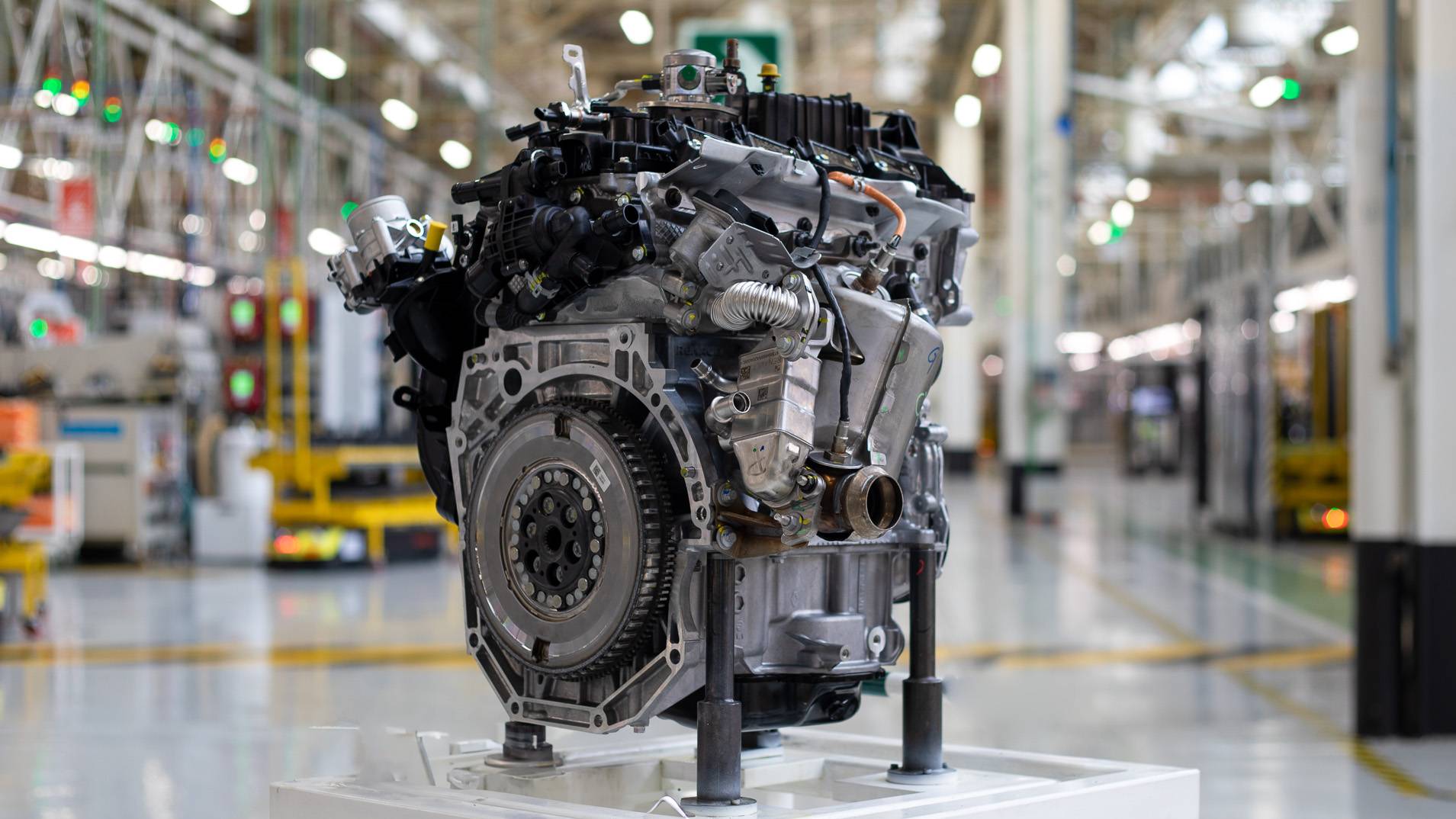
how much is a new engine for a car
Common Marine Electrical Problems: Identification and Prevention
Problem #1: Corrosion of Electrical Contacts and Connectors
Corrosion represents the single most common cause of electrical failures in marine applications. Salt particles, moisture, and oxygen combine to create galvanic corrosion that rapidly degrades copper and aluminum components.
How Corrosion Affects Your Systems:
- Increases electrical resistance in connections, reducing power efficiency
- Creates voltage drops that starve motors and equipment of adequate power
- Causes intermittent faults that are difficult to diagnose
- Leads to complete connection failure if left unchecked
Prevention Strategies:
- Use Marine-Grade Materials: Specify stainless steel, nickel-plated, or gold-plated connectors designed for maritime applications. These materials resist saltwater corrosion far more effectively than standard brass components.
- Implement Conformal Coating: Apply protective coatings to circuit boards and electrical assemblies to create a moisture barrier. Acrylic or urethane-based coatings provide excellent saltwater protection.
- Regular Contact Cleaning: Schedule quarterly inspections where all major electrical connectors are cleaned with contact cleaner and protective lubricant applied.
- Improve Enclosure Sealing: Ensure all electrical cabinets have proper gaskets and drain plugs. Install desiccant breathers to prevent moisture accumulation.
- Cathodic Protection: Install sacrificial zinc anodes near electrical installations to provide galvanic protection against corrosion.
Real-World Example: A container vessel operating in Southeast Asian waters experienced recurring generator failures due to corroded terminal connections. After implementing quarterly contact cleaning and upgrading to marine-grade connectors, the facility achieved a 95% reduction in unplanned electrical shutdowns over 18 months.
Problem #2: Battery System Failures and Insufficient Charging
Marine battery systems face unique challenges, including inconsistent charging from variable generator output, extreme temperature fluctuations, and demanding auxiliary power requirements. Battery failures represent a critical risk because they compromise emergency systems and essential bridge equipment.
Common Battery System Issues:
- Insufficient charging voltage from aging generators or voltage regulators
- Sulfation of battery plates due to prolonged partial discharge states
- Electrolyte loss in flooded lead-acid batteries from thermal cycling
- Corrosion of battery terminals and interconnecting cables
- Imbalanced charge distribution among battery banks
Prevention and Maintenance Approach:
- Implement Battery Management Systems: Modern Battery Management Systems (BMS) monitor individual battery cells, preventing overcharge and deep discharge conditions that degrade battery life.
- Regular Load Testing: Conduct quarterly battery load tests to verify actual capacity versus manufacturer specifications. Replace batteries showing less than 80% capacity.
- Voltage Regulation Maintenance: Service voltage regulators annually and verify output is within ±5% of nominal voltage specifications.
- Terminal Protection: Apply terminal protector spray monthly to prevent corrosion of battery posts and cable lugs.
- Equalization Routine: For flooded batteries, conduct monthly equalization cycles to balance electrolyte density across all cells.
- Temperature Management: Install battery heaters in cold climates and ventilation in hot environments to maintain optimal 15-25°C operating temperature.
Industry Insight: The International Maritime Organization (IMO) 2020 regulations increased electrical loads on many vessels. Upgrading battery capacity by 20-30% is often necessary to maintain adequate starting power and emergency backup duration.
Problem #3: Insulation Breakdown and Short Circuits
Electrical insulation degradation is a silent killer in marine systems. Unlike catastrophic failures, insulation breakdown develops gradually until a short circuit suddenly disables critical equipment. This problem is particularly dangerous in propulsion systems where sudden loss of power creates safety hazards.
Causes of Insulation Failure:
- Moisture penetration through damaged cable jackets
- Thermal aging of insulation materials at elevated temperatures
- Mechanical damage from vibration, chafing, or pinching
- Chemical degradation from oil, fuel vapors, or cleaning agents
- UV exposure for cables in exposed deck locations
- Rodent damage in engine rooms and cargo spaces
Prevention Strategy:
- Implement Preventive Insulation Testing: Conduct annual insulation resistance testing using a megohmmeter to detect degradation before failure occurs. Record baseline values during initial vessel commissioning.
- Cable Jacket Inspection Protocol: Establish a quarterly visual inspection schedule for all accessible cables. Look for cracks, abrasions, discoloration, or moisture accumulation.
- Protective Cable Routing: Route cables away from heat sources, moving machinery, and chemical storage areas. Use cable trays and conduit to protect against mechanical damage.
- Moisture Barrier Installation: Install cable glands with appropriate IP ratings and apply sealant around penetrations to prevent water ingress.
- Material Selection: Specify marine-grade cables with superior insulation compounds designed to resist saltwater and oil exposure.
- Rodent Prevention: Implement integrated pest management in engine rooms where cables are vulnerable to rodent damage.
Technical Consideration: A 10-megohm insulation resistance is the minimum acceptable standard for marine systems. Values between 10-100 megohms warrant increased monitoring frequency, while values below 10 megohms indicate immediate remediation is required.
Problem #4: Generator Output Instability and Voltage Regulation Issues
Inconsistent generator voltage and frequency create cascading problems throughout electrical systems. Power quality issues damage sensitive electronic equipment, reduce motor efficiency, and accelerate insulation degradation in connected equipment.
Common Generator Problems:
- AVR (Automatic Voltage Regulator) malfunction causing voltage swings of ±10% or more
- Frequency instability as engine speed governor responds to changing load
- Harmonic distortion from non-linear loads (LED lighting, variable frequency drives, switching power supplies)
- Insufficient generator capacity for peak demand conditions
- Paralleling synchronization failures when operating multiple generators
Prevention and Optimization Measures:
- AVR Maintenance Schedule: Service AVR units every 2000 operating hours, including capacitor replacement and solder joint inspection.
- Governor System Tuning: Annually calibrate fuel injection timing and governor response curves to maintain frequency within ±1% of nominal 50Hz or 60Hz.
- Load Bank Testing: Conduct quarterly load bank tests at 75%, 90%, and 100% capacity to verify generator performance and identify voltage regulation issues.
- Harmonic Analysis: Install power quality analyzers to measure total harmonic distortion (THD). If THD exceeds 5%, install harmonic filters or upgrade to better power conditioning equipment.
- Capacity Planning: Calculate peak electrical demand including all auxiliary systems and motor starting currents. Maintain generator rating at 120-130% of peak demand.
- Synchronization Equipment: Upgrade to modern digital synchronizers for multi-generator operation, improving paralleling stability and reducing voltage transients.
how much is a new engine for a car
Problem #5: Inadequate Cable Sizing and Voltage Drop
Undersized electrical cables create excessive voltage drop that starves equipment of proper operating voltage. This problem is particularly acute in long cable runs typical of large vessels where the main generator is located far from thruster motors or propulsion equipment.
Impact of Excessive Voltage Drop:
- Motor efficiency decreases by 0.5-1% for every 1% voltage drop
- Motor starting current and torque both increase with lower supply voltage
- Reduced cooling airflow in motors operated below rated voltage shortens lifespan
- Electronic equipment malfunction when supply voltage falls below 85% nominal
- Thermal stress on cables as they attempt to deliver increased current
Cable Sizing Best Practices:
- Conservative Voltage Drop Limits: Design for maximum 3% voltage drop for critical systems (propulsion, navigation), 5% for auxiliary circuits.
- Ampacity Deration: Apply marine environment derating factors of 0.8-0.9 when calculating cable ampacity in high-temperature engine rooms.
- Material Upgrades: Consider upgrading to copper cables from aluminum alternatives—the higher conductivity reduces voltage drop and extends service life.
- Parallel Cable Installation: For long distribution runs, use multiple smaller cables in parallel rather than single oversized cables, improving flexibility and maintainability.
- Cable Routing Optimization: Minimize cable length by strategic routing during vessel design or retrofit projects.
Calculation Example: A 200-amp circuit run for 80 meters to a thruster motor using standard marine cable (95mm² copper) would experience approximately 2.1% voltage drop. Upgrading to 120mm² cable reduces this to 1.6%, saving approximately 0.5 kW in continuous motor losses—equivalent to $400-600 in annual fuel costs on a vessel operating 24/7.
Problem #6: Inadequate Grounding and Lightning Protection
Proper grounding is fundamental to electrical safety and equipment protection. Poor grounding creates shock hazards, allows transient voltage spikes to damage equipment, and provides inadequate lightning protection for exposed antenna and mast structures.
Grounding System Requirements:
- Ground resistance should not exceed 1 ohm for main grounding electrode
- All non-current-carrying metallic components must be bonded to the common grounding conductor
- Lightning protection requires low-impedance paths from masts to underwater grounding electrode
- Surge protection devices must be properly grounded to be effective
Grounding Improvement Strategies:
- Measure Grounding Resistance: Use a marine-grade grounding meter to test resistance annually. Document baseline values and trend results over time.
- Grounding Electrode Maintenance: Inspect underwater zinc anodes or copper grounding plates annually for deterioration and replace if more than 50% consumed.
- Bonding Connection Inspection: Check all bonding connections quarterly for corrosion, loose fasteners, or paint coating that might compromise conductivity.
- Lightning Protection Upgrade: Install lightning masts with low-impedance paths to grounding electrodes for vessels operating in thunderstorm regions.
- Surge Protection Installation: Use properly grounded surge protection devices on sensitive electronic equipment to suppress transient overvoltages.
Implementing a Preventive Maintenance Program
Developing Your Marine Electrical Maintenance Strategy
Reactive maintenance—fixing problems only after they fail—is expensive and creates unplanned downtime. Successful marine operators implement comprehensive preventive maintenance programs that systematically address potential problems before they become critical failures.
Core Components of Effective Electrical Maintenance:
- Documentation: Maintain detailed records of all electrical systems, including schematic diagrams, component specifications, and maintenance history.
- Predictive Testing: Use megohmmeter, thermography, and power quality analysis to detect degradation before failure.
- Scheduled Service Intervals: Establish service schedules based on equipment manufacturer recommendations and operational hours.
- Training Programs: Ensure crew members understand electrical system basics, hazards, and correct maintenance procedures.
- Spare Parts Management: Stock critical replacement components (contactors, relays, circuit breaker modules) to minimize repair downtime.
Maintenance Schedule Recommendations
Daily Operations:
- Visual inspection of generator output voltage and frequency gauges
- Monitor battery voltage during engine start cycles
- Observe any unusual sounds, smells, or visual indicators from electrical equipment
Monthly Tasks:
- Battery terminal and cable lug cleaning and protective coating application
- Visual inspection of accessible electrical cables for damage
- Generator cooling system verification (proper coolant level, fan operation)
- Verify all warning lights and alarms function correctly
Quarterly Activities:
- Load bank testing of main and auxiliary generators
- Battery load testing and capacity verification
- Contact cleaning and lubrication of main electrical switchboards
- Insulation resistance testing of propulsion motor circuits
- Bonding connection inspection and tightness verification
Annual Services:
- Comprehensive AVR servicing and capacitor replacement
- Generator brushes inspection and replacement if wear exceeds 50%
- Complete insulation testing of all major electrical circuits
- Thermographic inspection of switchboards to detect hot connections
- Grounding electrode resistance measurement and evaluation
- Review of electrical load analysis and optimization opportunities
During Major Docking (Every 3-5 Years):
- Underwater grounding electrode inspection and maintenance
- Complete rewiring of corroded or damaged cable sections
- Switchboard overhaul with contact replacement and epoxy cleaning
- Engine room cable tray inspection and corrosion treatment
- Deck-mounted equipment grounding and lightning protection upgrade
Modern Solutions: Technology and Best Practices
Advances in Marine Electrical Systems
Recent technological advances provide new tools for maintaining electrical reliability. Modern marine operators increasingly adopt digital monitoring systems that provide real-time visibility into system health and enable predictive maintenance decisions.
Remote Monitoring and Diagnostics
Cloud-based marine electrical monitoring systems continuously track generator output, battery status, insulation resistance trends, and power quality metrics. These systems alert engineers to developing problems before catastrophic failure occurs, enabling planned maintenance during convenient windows rather than emergency repairs at sea.
Energy Efficiency and Optimization
Modern power management systems optimize generator loading across multiple prime movers, reducing fuel consumption while improving voltage stability. Variable frequency drives on auxiliary equipment reduce electrical losses and extend component life through reduced thermal stress.
For vessels with main propulsion electrical power needs (such as those considering alternatives to traditional diesel engines), understanding electrical system capacity and reliability becomes critical. Modern electric propulsion systems require robust electrical infrastructure, making comprehensive electrical assessment essential during initial planning stages.
Compliance with International Standards
IMO SOLAS regulations, Classification Society rules (DNV, Lloyd’s Register, ABS), and ISO standards establish minimum electrical safety and performance requirements. Regular compliance audits ensure your vessels meet all regulatory obligations while identifying optimization opportunities that exceed minimum standards.
Cost-Benefit Analysis of Preventive Maintenance
Implementing comprehensive preventive maintenance programs requires upfront investment in testing equipment, spare parts inventory, and trained personnel. However, the return on investment typically exceeds 400% through reduced downtime, extended equipment life, and improved operational efficiency.
Cost Comparison: Preventive vs. Reactive Maintenance
A typical vessel with $2 million electrical infrastructure faces approximately:
- Preventive maintenance cost: $40,000-50,000 annually (2-2.5% of asset value)
- Average unplanned downtime cost: $15,000-30,000 per incident
- Potential savings from preventing 5-10 annual incidents: $75,000-300,000
The mathematical reality is compelling: preventing even 2-3 major failures annually pays for the entire preventive maintenance program while protecting revenue and reputation.
Conclusion: Protecting Your Maritime Investment
Common marine electrical problems are predictable, preventable, and manageable. Saltwater corrosion, battery degradation, insulation breakdown, generator instability, voltage drop, and grounding failures don’t happen suddenly—they develop over months and years, providing ample opportunity for early detection and correction.
Ship owners, marine engineers, and shipyard managers who implement comprehensive preventive maintenance programs transform electrical systems from a source of uncertainty and cost overruns into a reliable asset that consistently delivers predictable performance. The investment in testing equipment, trained personnel, and systematic inspection procedures pays dividends through improved safety, extended equipment life, reduced downtime, and ultimately, enhanced profitability.
Key Takeaways:
- Regular preventive maintenance reduces unplanned downtime by 60-80% compared to reactive repair approaches
- Systematic inspection protocols catch degradation before catastrophic failure occurs
- Proper material selection and environmental protection dramatically extend electrical component lifespan
- Documented maintenance records provide insurance coverage documentation and resale value verification
- Modern monitoring technology enables predictive maintenance and operational optimization
Ready to Improve Your Marine Electrical Reliability?
Contact Electrical Marine Solutions today for a comprehensive electrical system assessment. Our team of marine electrical specialists can evaluate your current systems, identify vulnerabilities, and develop a customized preventive maintenance program that protects your investment and ensures reliable operation in challenging maritime environments.
Visit us at https://electricalmarinesolutions.pl/ to learn more about our marine electrical solutions, testing services, and preventive maintenance programs.
Don’t wait for the next electrical emergency to disrupt your operations. Implement preventive maintenance today and enjoy years of reliable, efficient electrical performance.
Frequently Asked Questions About Marine Electrical Problems
How often should I conduct insulation resistance testing on marine cables?
Annual insulation testing is the industry standard for critical circuits (propulsion, navigation, emergency systems). For auxiliary circuits, quarterly or biannual testing is appropriate. More frequent testing (monthly) is warranted if baseline values show declining trends or if cables operate in particularly harsh environments. Establish baseline values during initial commissioning, then track changes over time to identify degradation patterns early.
What is the ideal voltage output range for marine generators?
Marine generators should maintain output voltage within ±5% of nominal voltage (190-210V for 200V nominal systems, 228-252V for 240V systems, 456-504V for 480V systems). This tolerance accommodates normal load variations while protecting connected equipment. Voltage outside this range indicates AVR malfunction or excessive system resistance. Modern class societies require voltage regulation tighter than ±10%, with many operators targeting ±3% for sensitive electronic equipment.
How can I estimate whether my ship’s electrical system is adequately sized?
List all electrical equipment with nameplate kVA or horsepower ratings, calculate total running load, then apply motor starting current multipliers (typically 3-7 times running current for AC motors). Size the generator to handle peak concurrent load (starting current of largest motor plus running current of all other equipment). A practical rule: generator capacity should be 120-130% of calculated peak demand. Oversizing by this margin accommodates future equipment additions and improves voltage stability during transient conditions.
What causes the ammonia or chemical smell sometimes detected near electrical cabinets?
This smell typically indicates overheating electrical components, particularly in insulation materials or thermal protection devices. Possible causes include excessive current flow (undersized cables or overloaded circuits), poor ventilation restricting cooling airflow, or internal component failure. Immediately reduce load on the affected circuit, improve ventilation around the cabinet, and schedule professional inspection. Continued operation with overheating components risks insulation breakdown and potential fire hazard.
Is it necessary to upgrade my marine electrical system before considering electric propulsion?
Yes, electric propulsion systems typically require significantly higher electrical capacity than traditional diesel engine propulsion. A vessel that might operate with 500kW continuous electrical demand under diesel propulsion could require 2,000-5,000kW for equivalent electric propulsion performance. Before committing to electric propulsion technology, conduct comprehensive electrical load analysis, generator capacity assessment, and cable distribution system evaluation. Budget upgrades to main generators, switchboards, battery systems, and distribution cables as part of electric propulsion retrofit planning.
