

This comprehensive guide explores the most prevalent marine electrical problems affecting modern vessels, provides practical prevention strategies, and delivers real-world solutions that have proven effective across commercial shipping, offshore operations, and marine industries. Whether you operate bulk carriers, container ships, or offshore platforms, the insights shared here will help you maintain reliable electrical systems and avoid costly downtime.
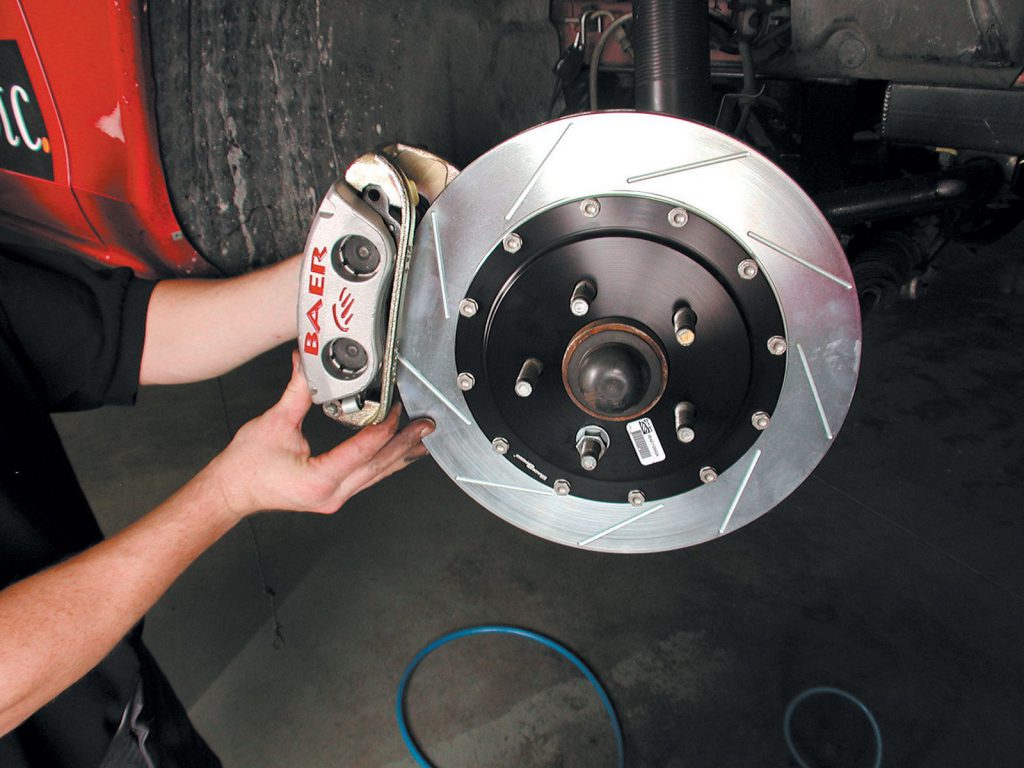
which one is the brake in the car
Understanding Marine Electrical Systems: The Foundation for Problem Prevention
Marine electrical systems differ significantly from shore-based installations. Ships rely on complex networks of generators, transformers, switchboards, and distribution systems that must operate continuously under demanding conditions. Modern vessels integrate:
- Main and auxiliary generators for power production
- Power distribution systems manage electricity across multiple decks
- Navigation and communication equipment dependent on stable power
- Engine control and propulsion systems require precise electrical management
- Safety systems, including emergency lighting and fire detection
- Refrigeration and cargo management systems for specialized vessel types
Each component presents unique electrical challenges. When problems occur, they cascade through interconnected systems, potentially affecting vessel operations, crew safety, and cargo integrity.
Common Marine Electrical Problems Affecting Your Vessel
1. Corrosion and Salt Spray Degradation Saltwater corrosion represents the most prevalent challenge for marine electrical systems. The marine environment accelerates electrochemical reactions that degrade electrical components at rates significantly faster than land-based installations.
How It Occurs:
- Salt crystals penetrate cable insulation and connector housings
- Moisture combines with salt residue to create conductive pathways
- Galvanic corrosion attacks dissimilar metals in electrical connections
- Spray reaches electrical enclosures even in protected areas
Corroded connections cause increased resistance, voltage drops, and eventual equipment failure. A corroded switchboard connection that begins with a subtle resistance increase can progress to complete system failure within months of unaddressed deterioration.
2. Moisture and Humidity-Related Issues
Marine vessels exist in high-humidity environments where moisture penetrates electrical cabinets, cable trays, and switchboards. This creates multiple failure modes:
- Condensation formation inside electrical enclosures during temperature changes
- Insulation degradation as moisture weakens cable protection
- Mold and fungal growth on circuit boards and connectors
- Tracking and leakage currents following moisture paths
- Battery cell degradation in emergency power systems
Unlike land-based facilities where humidity can be controlled, ships offer limited options for environmental regulation. Forward-thinking ship operators prioritize ventilation systems and sealed enclosures.
3. Vibration-Induced Cable and Connector Failures
Ship engines, propulsion systems, and wave action create continuous vibration. This mechanical stress systematically damages electrical infrastructure:
- Cables work loose from terminals and connectors
- Solder joints develop stress cracks from constant flexing
- Cable insulation fractures from repetitive movement
- Connector pins gradually separate from the housing
- Switchboard components shift within mounting brackets
Vibration-related failures often develop slowly, making them difficult to diagnose until critical failure occurs. A cable connection might appear secure while gradually developing internal fractures that eventually cause intermittent faults, then complete disconnection.
4. Power Quality and Voltage Stability Issues
Marine generators must manage highly variable electrical loads. When main engines accelerate, propulsion demands spike suddenly. When cargo handling equipment operates, electrical demand surges unpredictably.
Common Power Quality Problems:
- Voltage fluctuations damage sensitive equipment
- Harmonic distortion from non-linear loads like variable frequency drives
- Power factor degradation reduces efficiency and increases generator stress
- Frequency instability affecting timing-sensitive systems
- Voltage imbalance between phases causes symmetric equipment damage
These issues don’t always trigger immediate alarms. Navigation systems might operate with reduced accuracy due to power quality problems before anyone recognizes a systematic issue.
5. Inadequate Grounding and Earthing Systems
Proper electrical grounding prevents hazardous voltage conditions and equipment damage. Marine vessels present unique grounding challenges:
- Saltwater provides variable electrical conductivity depending on temperature and salinity
- Hull coatings may reduce electrical contact between grounding systems and seawater
- Bonding connections corrode, breaking grounding paths
- Complex hull structures create unpredictable current distribution patterns
Without reliable grounding, personnel face electrical shock hazards, and equipment suffers premature failure due to voltage stress.
6. Battery System Degradation and Failure
Emergency electrical systems depend on standby batteries for critical functions. Marine batteries operate under extreme stress:
- Temperature extremes accelerate chemical degradation
- Vibration damages cell connections and separators
- Salt spray corrodes battery terminals and connectors
- Moisture enters battery enclosures, creating corrosion
- Inadequate charging systems undercharge or overcharge cells
Battery failures represent safety-critical issues. Modern regulations mandate regular battery testing, yet many vessels operate with batteries beyond their intended service life.
7. Generator and Alternator Problems
Main and auxiliary generators form the power generation backbone for all electrical systems. Common generator-related problems include:
- Bearing wear from saltwater-laden air and vibration
- Insulation breakdown in generator windings
- Brush wear and carbon deposit buildup
- Voltage regulation system malfunction
- Synchronization issues with parallel generators
- Cooling system inadequacy in hot climates
Generator failures directly impact vessel operation. A failed auxiliary generator might reduce electrical capacity by 30-50%, forcing difficult operational choices.
8. Cable Insulation Breakdown and Short Circuits
Marine cables endure unique stresses that land-based installations never experience:
- UV degradation from deck exposure
- Thermal cycling from engine room temperature variations
- Mechanical damage from cargo handling and maintenance activities
- Saltwater-accelerated degradation of protective sheaths
- Abrasion from moving against sharp edges
Insulation breakdown creates short-circuit hazards and personnel safety risks.
Prevention Strategies: Protecting Your Marine Electrical Systems
Implement Comprehensive Preventive Maintenance Programs
Effective electrical maintenance follows structured, documented protocols. Successful ship operators establish vessel-specific maintenance plans that address:
- Weekly inspections of switchboards, generator rooms, and electrical enclosures
- Monthly testing of critical systems, including emergency generators and batteries
- Quarterly deep-cleaning of electrical components and connectors
- Semi-annual professional audits by qualified marine electrical technicians
- Annual certification of major electrical systems per marine class society requirements
Documentation proves invaluable during regulatory inspections and when troubleshooting recurring problems. Maintenance logs reveal patterns: perhaps corrosion consistently appears in specific locations, suggesting environmental issues requiring targeted solutions.
Combat Corrosion Through Material Selection and Protection
Advanced corrosion prevention strategies significantly extend electrical system life:
- Stainless steel components for exposed electrical hardware (300-series stainless performs best in marine environments)
- Nickel-plated connectors provide superior corrosion resistance compared to standard brass
- Epoxy-coated switchboards protect internal components from salt spray infiltration
- Conformal coating on circuit boards prevents moisture and salt contamination
- Vapor-phase corrosion inhibitors (VPCi) for long-term cable and connector storage
- Zinc anodes in strategic locations to sacrifice preferentially to corrosion
Material upgrades represent investments with measurable returns. A switchboard upgraded to epoxy-coated stainless hardware might cost 15-20% more initially but extends service life by 50-75%.
Environmental Control and Humidity Management
While complete humidity elimination isn’t possible aboard ships, strategic measures reduce moisture damage:
- Sealed enclosures with positive pressure and filtration for critical electrical equipment
- Desiccant breathers on electrical cabinets allow pressure equalization while filtering moisture
- Heater-thermostat units inside switchboards maintain temperature above the dew point
- Improved ventilation in engine rooms and electrical spaces
- Cable tray covers protect cables from direct spray and condensation
- Regular dehumidification cycles in critical electrical spaces during port stays
Modern vessels increasingly incorporate active humidity monitoring systems that alert crew when moisture levels exceed acceptable thresholds.
Vibration Isolation and Mechanical Securing Methods
Reducing vibration transmission to electrical systems prevents many failure modes:
- Elastomeric isolation mounts for switchboards and generator installations
- Cable clamps and supports spaced per standards, preventing cable flexing
- Flexible conduit connections between fixed and moving components
- Lock washers and thread-locking compounds for all electrical connections
- Vibration-damping cable trays with elastomeric liners
Proper cable securing costs minimal compared to failures caused by vibration-loosened connections.
Install Advanced Power Quality Management Systems
Modern power quality equipment protects sensitive systems and extends electrical component life:
- Automatic voltage regulators (AVR) maintain stable generator output voltage
- Power factor correction systems reduce reactive power demands
- Harmonic filters remove distortion from variable frequency drives and modern equipment
- Uninterruptible power supplies (UPS) for navigation and communication systems
- Load-sharing controllers distribute loads evenly across parallel generators
These systems prevent cascading failures where power quality problems damage equipment, creating additional problems that further degrade power quality.
Establish Robust Grounding and Bonding Programs
Reliable electrical safety depends on comprehensive grounding systems:
- Regular grounding resistance testing (minimum annually, ideally quarterly)
- Hull zinc anode replacement on schedules accounting for local seawater conditions
- Bonding conductor maintenance, ensuring continuous electrical paths between metal structures
- Corrosion barrier protection for bonding connections using epoxy coatings or sacrificial elements
- Compliance documentation demonstrating adherence to classification society grounding standards
Many shipyard managers report that improved grounding practices alone reduce electrical faults by 20-30%.
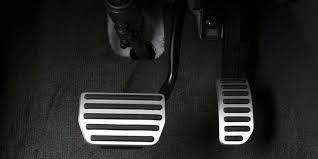
which one is the brake in the car
Battery System Management and Monitoring
Emergency power system reliability requires dedicated battery management:
- Regular capacity testing determines the actual battery performance versus design specs
- Equalization charging for lead-acid batteries, maintaining consistent cell voltages
- Temperature-compensated charging adjusts charge rates for ambient conditions
- Battery monitoring systems continuously track individual cell voltages and temperatures
- Planned replacement cycles retire batteries before failure, rather than operating to failure
- Proper ventilation for hydrogen gas produced during battery charging
Lithium-ion battery technology increasingly replaces traditional lead-acid systems aboard modern vessels, offering superior reliability but requiring different management protocols.
Generator Maintenance and Load Management
Maximizing generator reliability involves proactive maintenance and intelligent load control:
- Regular oil analysis detects bearing wear and contamination
- Fuel quality management prevents corrosion and filter blockage
- Cooling system maintenance ensuring adequate heat dissipation
- Insulation resistance testing of generator windings, identifying moisture ingress
- Load scheduling avoiding simultaneous maximum-demand operations
- Generator load bank testing annually verifies output capability under realistic conditions
Proactive generator management prevents sudden failures that leave vessels operating at dangerously reduced electrical capacity.
Cable System Protection and Monitoring
Cables form the circulatory system of marine electrical infrastructure:
- Quality cable selection using marine-grade insulation rated for ship service
- Proper cable routing protects cables from mechanical damage and UV exposure
- Cable insulation resistance testing identifies degradation before failure
- Thermographic inspections detect overheating in cable runs, indicating problems
- Cable tray protection prevents salt spray from directly contacting cables
- Scheduled cable replacement based on age and service life recommendations
Deck-mounted cables particularly require protection from UV degradation and mechanical damage.
Real-World Case Studies: Lessons from Marine Electrical Failures
Case Study 1: Container Ship Switchboard Failure During Peak Operations
A major container ship operating on Asian trade routes experienced a complete loss of main switchboard functionality while maneuvering in port. Investigation revealed extensive salt spray corrosion in switchboard terminal blocks that developed over three years of deferred maintenance. The ship was immobilized for 18 days, missing scheduled sailing dates and incurring penalties exceeding $500,000.
Key Lesson: Monthly switchboard inspections and annual professional cleaning would have identified corrosion early, allowing planned repairs during scheduled maintenance windows rather than forcing emergency repairs.
Case Study 2: Offshore Platform Electrical System Cascade Failure
An offshore production platform experienced sequential equipment failures beginning with one generator trip. Inadequate load-sharing controls and poor power quality management caused the remaining generators to become overloaded, triggering additional trips in a cascade fashion. The platform partially lost production capability for 72 hours while technicians stabilized the electrical system.
Key Lesson: Modern power quality management systems and load-sharing controllers prevent single-point failures from cascading through electrical systems. Investment in these systems provides measurable risk reduction.
Case Study 3: Battery System Failure Compromising Emergency Response
A bulk carrier experienced an engine room fire. The emergency electrical system, dependent on standby batteries for lighting and communication, failed to operate because batteries had degraded below functional capacity despite maintenance records indicating acceptable status. The fire was ultimately controlled, but the electrical system failure complicated the emergency response.
Key Lesson: Battery age alone doesn’t guarantee functionality. Regular capacity testing using load banks determines actual emergency system reliability. This vessel would have discovered battery degradation through proper testing protocols.
Regulatory Compliance and Classification Society Standards
Maritime classification societies (DNV GL, ABS, Lloyd’s Register, Bureau Veritas, and others) establish electrical system standards that vessels must meet. Key regulatory requirements include:
- Electrical system surveys at a minimum of 5-year intervals
- Insulation resistance testing is documented in official records
- Generator load testing verifies capacity under specified loads
- Grounding system effectiveness verified through resistance measurements
- Emergency power system availability certified through functional testing
- Crew training certification for electrical system operations and safety
Beyond regulatory compliance, these standards represent proven maintenance best practices. Ships complying with rigorous electrical standards experience fewer failures and safer operations overall.
Future-Proofing Your Marine Electrical Systems
Emerging technologies and operational trends reshape marine electrical requirements:
Hybrid and Electric Propulsion Systems
New vessels increasingly incorporate hybrid propulsion combining diesel engines with battery or fuel cell systems. These architectures introduce new electrical challenges, including battery management systems, converter technologies, and energy optimization algorithms.
Digital Monitoring and IoT Integration
Real-time electrical system monitoring through internet-connected sensors enables predictive maintenance. Rather than following fixed maintenance schedules, operators receive alerts when specific conditions warrant attention, optimizing resource allocation and preventing unexpected failures.
Cybersecurity Considerations
Increasingly connected electrical systems require robust cybersecurity protocols. Industrial-grade firewalls, secure authentication systems, and compartmentalized networks protect vessels from digital threats that could compromise electrical systems or safety-critical functions.
Renewable Energy Integration
Modern vessels explore solar panels, wind power, and waste heat recovery systems supplementing conventional generators. These distributed power sources require sophisticated power management systems and inverter technologies to maintain power quality across hybrid electrical architectures.
Conclusion: Protecting Your Maritime Investment
Marine electrical problems represent more than maintenance challenges—they directly impact vessel safety, operational efficiency, and financial performance. Common issues like corrosion, moisture intrusion, vibration damage, and power quality problems develop insidiously, often remaining undetected until critical failures occur.
Successful maritime organizations implement comprehensive prevention strategies addressing environmental protection, proactive maintenance, equipment monitoring, and crew training. These investments—appearing as operational expenses in annual budgets—actually protect far larger capital investments in vessel infrastructure and cargo assets.
The most reliable marine electrical systems result from combining proven maintenance practices, quality equipment selection, environmental controls, and modern monitoring technologies. Ship owners and marine engineers who prioritize electrical system reliability gain competitive advantages through reduced downtime, improved safety records, and extended equipment service life.
Your next step: Evaluate your current electrical maintenance program. Does it address the corrosion challenges in your operating environment? Are you actively monitoring power quality and battery system health? Are your crew members trained in electrical system safety and troubleshooting?
Take Action Today
Don’t wait for electrical failures to compromise your vessel’s operations. Contact professional marine electrical specialists now for a comprehensive system assessment. Identify potential problems before they develop into costly emergencies.
Your vessel’s safety and operational reliability depend on electrical system health. Make it a priority.
Frequently Asked Questions
How often should marine electrical systems be professionally inspected?
Classification societies require inspections at 5-year intervals minimum. However, best practices recommend annual professional audits supplemented by monthly crew-level inspections. High-traffic commercial vessels operating in corrosive environments benefit from semi-annual professional evaluations. The specific schedule depends on vessel age, operating environment, and system criticality. Newer vessels with advanced monitoring systems might operate effectively with annual inspections, while older vessels benefit from more frequent professional assessment.
What’s the most effective strategy for preventing salt spray corrosion?
Multi-layered approaches work best. Material selection forms the foundation—using stainless steel (300-series), nickel-plated connectors, and epoxy-coated switchboards. Environmental control through sealed enclosures and desiccant breathers prevents moisture accumulation. Regular cleaning and protective coatings maintain defenses. Sacrificial elements like zinc anodes and proper bonding systems handle unavoidable corrosion. No single strategy eliminates corrosion, but combined approaches reduce degradation rates by 50-70%.
How can ship operators verify emergency power system reliability without causing operational disruptions?
Load bank testing provides the most reliable verification method. Portable load banks temporarily connect to emergency generators, applying graduated electrical loads while monitoring voltage, frequency, and performance under realistic conditions. This testing doesn’t interrupt normal operations and reveals actual system capability versus design specifications. Load bank testing annually, combined with monthly battery capacity monitoring, ensures emergency systems remain functional when needed.
What role does crew training play in preventing electrical problems?
Trained crew members identify developing problems during early stages when repairs remain inexpensive and non-disruptive. They recognize abnormal sounds from generators, detect unusual vibration patterns, notice early corrosion signs, and understand proper operation of electrical systems within designed parameters. Regular training prevents operator errors that damage equipment and ensures the crew understands emergency electrical system procedures. Maritime regulations mandate electrical system training, but quality and frequency vary significantly among operators.
Are modern monitoring systems worth the investment for smaller commercial vessels?
For vessels operating continuously on scheduled routes, electrical monitoring systems typically pay for themselves within 3-5 years through prevented failures and optimized maintenance. Smaller vessels with lower electrical system redundancy particularly benefit from early warning capabilities. However, cost-benefit analysis depends on specific vessel size, electrical system complexity, and operational patterns. Consult marine electrical specialists to determine whether monitoring systems make economic sense for your specific situation.
