
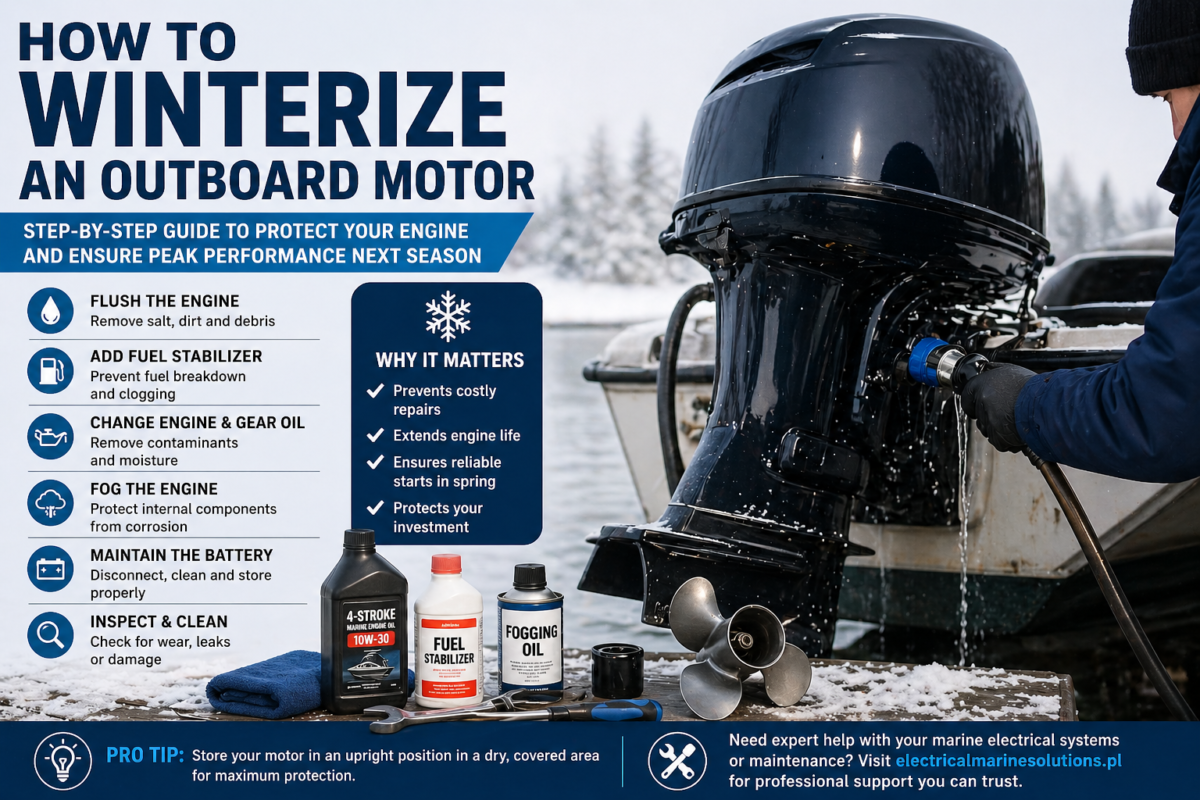
How to winterize an outboard motor. As temperatures begin to drop and boating season comes to an end, many boat owners make a costly mistake—parking their boat and forgetting about proper engine care. What seems like a harmless pause can lead to serious damage when spring arrives.
If you’ve ever dealt with engine failure, corrosion, or unexpected repair costs, you already know how frustrating and expensive it can be. The good news? You can avoid all of this with one essential process: winterizing your outboard motor.
In this guide, you’ll learn how to winterize an outboard motor step by step—even if you’re a complete beginner. By following these simple steps, you’ll protect your engine, save money, and ensure your boat is ready to go when the next season begins.
Why Winterizing Your Outboard Motor Matters
Winterizing your outboard motor isn’t just a recommendation—it’s a necessity.
Protect Against Freezing Damage
Water left inside your engine can freeze and expand, causing cracks in internal components.
This type of damage is often irreversible and extremely costly to repair.
Prevent Corrosion and Rust
Moisture buildup leads to rust, especially in marine environments. Corrosion can destroy engine parts and reduce performance over time.
Avoid Fuel System Issues
Fuel that sits too long can break down, leading to clogged lines and carburetors. This can make starting your engine difficult or even impossible.
Save Money on Repairs
A simple winterization process costs far less than replacing damaged engine components.
Extend Engine Lifespan
Proper maintenance ensures your outboard motor stays reliable for years to come.
When Should You Winterize Your Outboard Motor?
How to winterize an outboard motor. Timing is everything when it comes to winterizing your boat engine.
Best Time to Winterize
- Before the first frost
- When you plan to store your boat for more than a few weeks
- At the end of boating season
Signs It’s Time to Winterize
- Decreasing temperatures
- Reduced boat usage
- Water temperatures are dropping significantly
Regional Considerations (Poland & Europe)
If you’re in colder regions like Poland, winterizing is absolutely essential. Freezing temperatures can arrive quickly, so it’s best to prepare early rather than risk damage.
Tools & Supplies You’ll Need
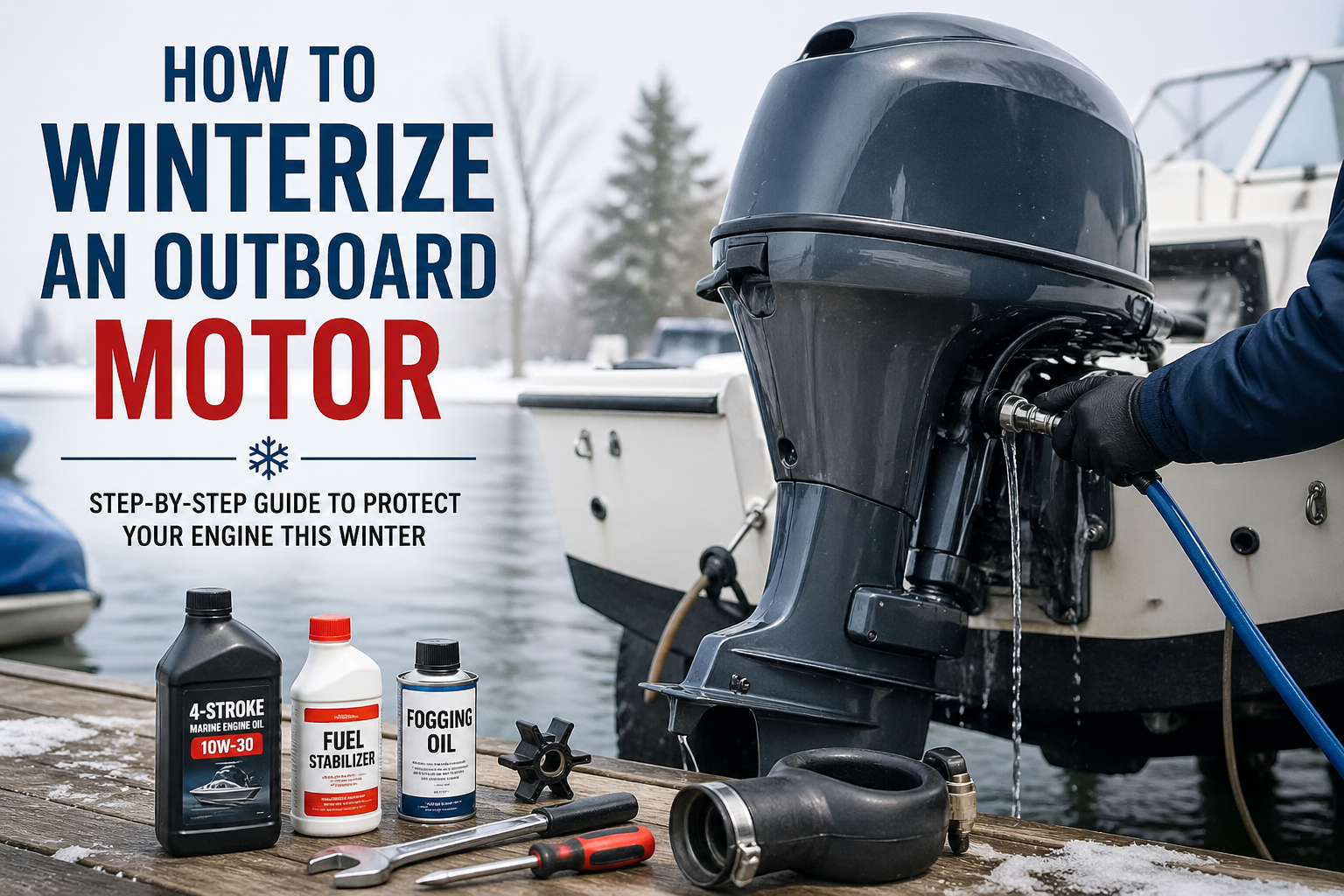
Before you start, gather all necessary tools and materials:
- Engine oil and gear oil
- Fuel stabilizer
- Fogging oil
- Flushing muffs or a water tank
- Basic tools (wrench, screwdriver)
- Clean cloths
- Safety gloves
💡 Tip: For high-quality marine electrical support and maintenance solutions, explore services at Electrical Marine Solutions.
Step-by-Step: How to Winterize an Outboard Motor
Follow this proven process to protect your engine during winter:
Step 1: Flush the Engine
Flushing your engine removes salt, dirt, and debris that can cause corrosion.
- Attach flushing muffs or place the motor in a water tank
- Run fresh water through the system for 10–15 minutes
- Ensure all contaminants are cleared
Step 2: Add Fuel Stabilizer
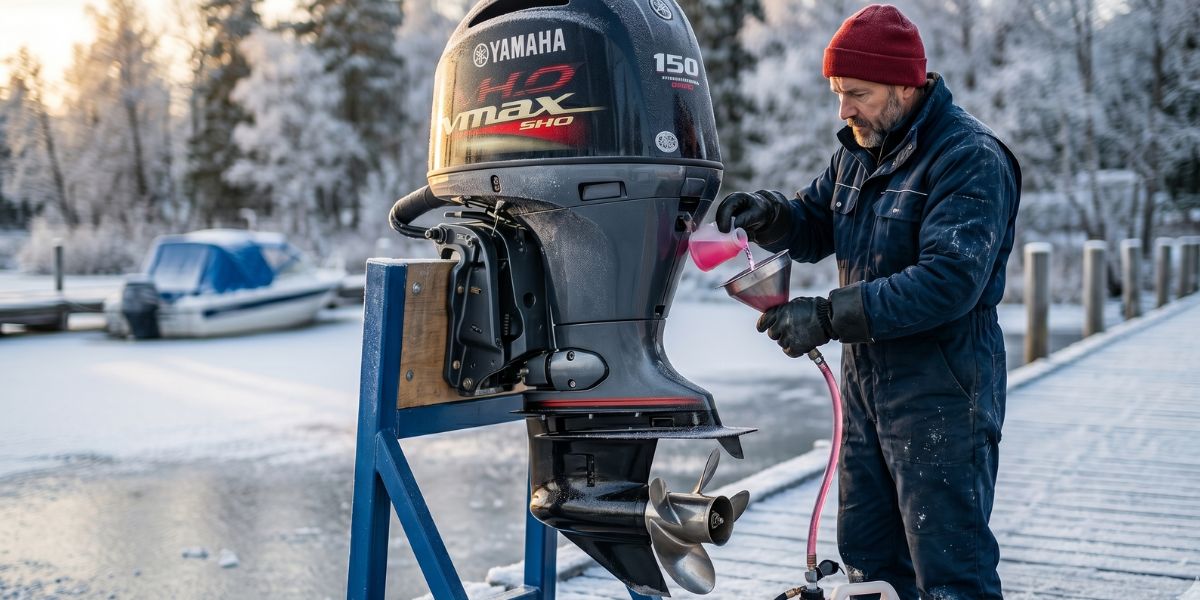
A fuel stabilizer prevents gasoline from breaking down during storage.
- Add stabilizer to your fuel tank
- Follow the recommended dosage on the product label
Step 3: Run the Engine
Running the engine allows the stabilized fuel to circulate throughout the system.
- Start the engine and let it run for several minutes
- This ensures treated fuel reaches all components
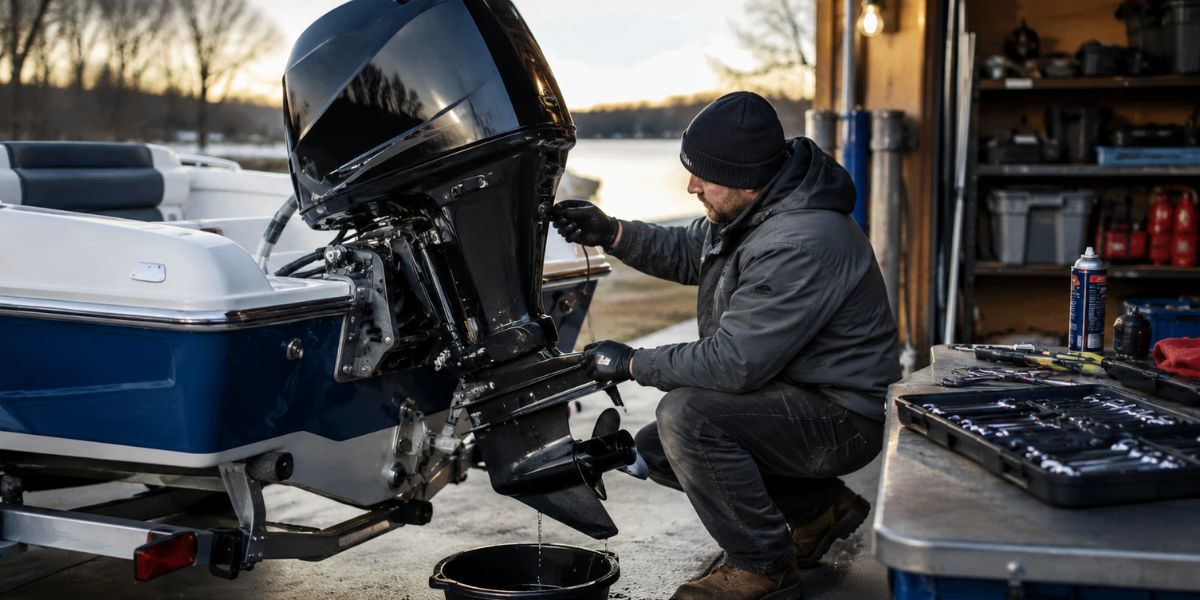
Step 4: Change Engine Oil & Gear Oil
Old oil contains contaminants that can damage your engine.
- Drain old engine oil and replace it with fresh oil
- Change the gear oil in the lower unit
- Check for metal particles or unusual discoloration
Step 5: Fog the Engine
Fogging oil protects internal engine parts from rust and corrosion.
- Spray fogging oil into the air intake while the engine is running
- This coat’s internal components are for long-term protection
Step 6: Disconnect and Maintain Battery
Cold temperatures can drain your battery quickly.
- Disconnect the battery terminals
- Clean any corrosion
- Store the battery in a dry, cool place
- Recharge periodically during winter
Step 7: Inspect and Clean the Motor
Before storing your engine:
- Check for leaks, cracks, or worn parts
- Clean the exterior thoroughly
- Apply protective spray if needed
Common Mistakes to Avoid
Even experienced boat owners can make mistakes. Avoid these common errors:
❌ Skipping Fuel Stabilization
Leads to clogged fuel systems and poor engine performance
❌ Not Flushing the Engine
Salt and debris can cause severe corrosion
❌ Leaving Water Inside
Freezing water can crack engine components
❌ Ignoring Battery Care
A dead battery can delay your next boating season
Pro Tips for Better Winter Storage
Want to go the extra mile? Follow these expert tips:
✔ Store in Upright Position
Prevents water from collecting inside the engine
✔ Use a Breathable Cover
Protects against dust and moisture without trapping condensation
✔ Choose a Dry Storage Area
Avoid damp environments that promote rust
✔ Schedule Professional Maintenance
Experts can identify issues you might miss
Why Choose Electrical Marine Solutions
When it comes to maintaining your boat’s electrical systems and ensuring optimal performance, Electrical Marine Solutions is a trusted name.
What Sets Them Apart?
- Expertise in marine electrical systems
- Reliable maintenance and repair services
- Professional support for boat owners across Europe
- Commitment to quality and customer satisfaction
Whether you’re preparing for winter or upgrading your boat systems, their team is ready to help you every step of the way.
Conclusion: Protect Your Investment Today
: How to winterize an outboard motor. Winterizing your outboard motor isn’t just about maintenance—it’s about protecting your investment.
By following this step-by-step guide, you can:
- Prevent costly damage
- Extend your engine’s lifespan
- Ensure smooth performance next season
Don’t wait until it’s too late. Take action now and prepare your boat for winter the right way.
👉 Need expert help? Visit https://electricalmarinesolutions.pl/ today and keep your boat in top condition all year round!
How long does it take to winterize an outboard motor?
Typically, it takes 1–2 hours, depending on your experience and engine type.
Can I winterize my outboard motor myself?
Yes! With the right tools and guidance, most boat owners can do it themselves.
What happens if I don’t winterize my engine?
You risk freezing damage, corrosion, and expensive repairs.
Do I need to winterize in mild climates?
Even in mild climates, fuel stabilization and basic maintenance are recommended to keep your engine in good condition.