

Need a New Engine Without the Headache?
Imagine this: your engine suddenly fails, repairs keep getting more expensive, and every mechanic gives you a different estimate. Or maybe you want more power, better reliability, and smoother performance—but don’t want the hassle of a full engine rebuild.
So, what’s the smartest solution?
For many vehicle owners and marine operators, the answer is a crate engine.
If you’ve been searching for what a crate engine is, you’re in the right place. A crate engine is one of the easiest and most efficient ways to replace or upgrade an engine without months of delays or uncertain rebuild quality.
In this complete beginner’s guide, you’ll learn:
-
What is a crate engine
-
How crate engines work
-
The main benefits of choosing one
-
Crate engine vs rebuilt engine differences
-
Marine uses for crate engines
-
What to consider before buying
By the end, you’ll know whether a crate engine is the right investment for your car, truck, or boat.
What Is a Crate Engine?
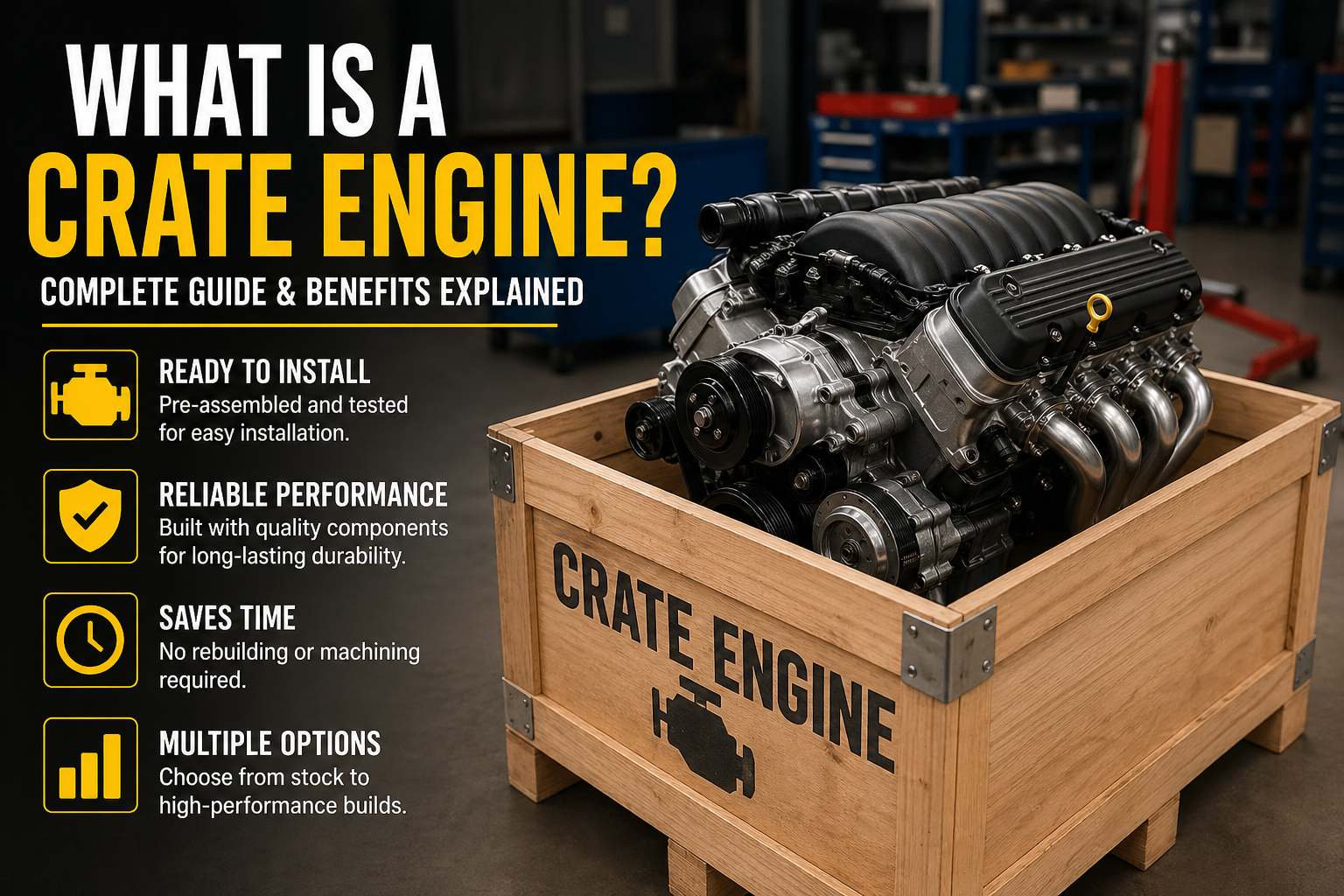
A crate engine is a brand-new or professionally remanufactured engine that comes fully assembled and shipped in a crate, ready for installation.
That’s where the name comes from—it arrives safely packaged in a crate for transport.
Instead of rebuilding your old engine piece by piece, a crate engine gives you a complete replacement unit that can be installed faster and often more reliably.
Simple Definition
If you’re asking what a crate engine is, think of it as a ready-to-install engine package built by a manufacturer or engine specialist.
Common Types of Crate Engines
1. Short Block Crate Engine
Usually includes:
-
Engine block
-
Crankshaft
-
Pistons
-
Connecting rods
You may need to add cylinder heads and accessories.
2. Long Block Crate Engine
Usually includes:
-
Engine block
-
Crankshaft
-
Pistons
-
Cylinder heads
-
Camshaft
-
Valve train
More complete than a short block.
3. Complete Crate Engine
This is the most plug-and-play option and may include:
-
Intake system
-
Fuel system
-
Ignition components
-
Water pump
-
Timing components
-
Sometimes electronics and accessories
How Does a Crate Engine Work?
A crate engine works as a replacement engine designed to fit compatible vehicles or marine systems.
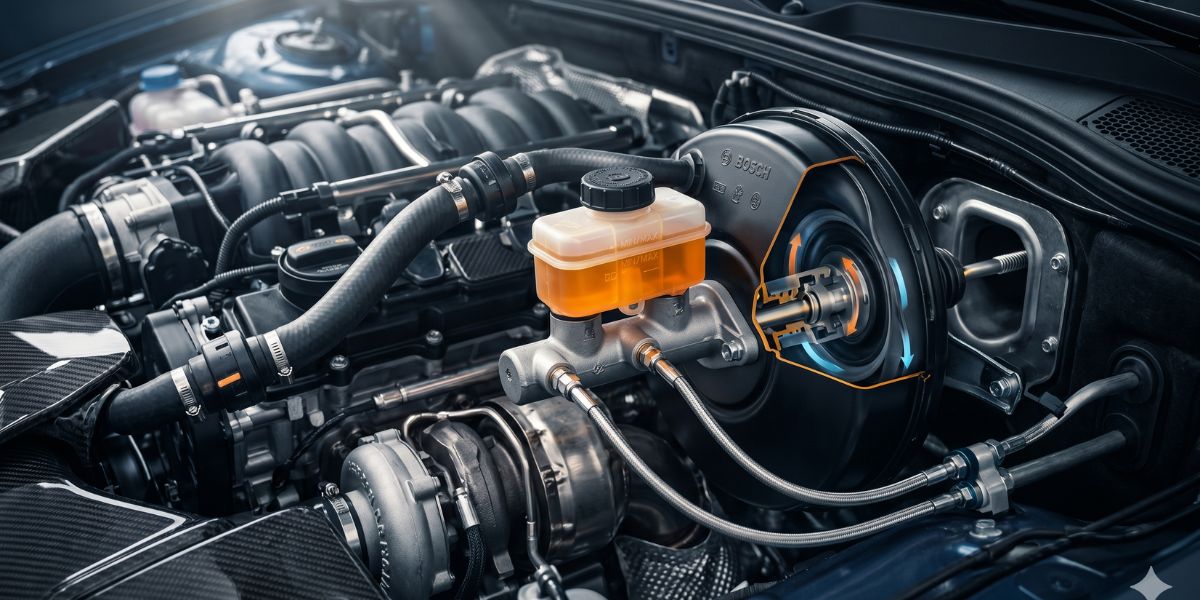
Instead of tearing down your damaged engine and rebuilding it over weeks or months, the old engine is removed and replaced with the crate engine.
Basic Installation Process
-
Remove the old engine
-
Inspect mounts, wiring, cooling systems, and fuel systems
-
Transfer compatible accessories if needed
-
Install crate engine
-
Connect wiring, hoses, fluids, and controls
-
Test and tune system
Because it comes pre-assembled, installation is typically faster than rebuilding.
Vehicle and Marine Compatibility
Crate engines are used in:
-
Cars
-
Trucks
-
Performance vehicles
-
Classic restorations
-
Work vehicles
-
Boats and marine systems
This flexibility is one reason so many people ask what a crate engine is when facing engine replacement decisions.
Benefits of Crate Engines
Why do people choose crate engines over repairs or rebuilds?
1. Saves Time
Rebuilding an engine can take weeks, depending on parts availability and machine shop schedules.
A crate engine can dramatically reduce downtime.
This is especially valuable for businesses, work vehicles, and boats during active seasons.
2. Reliable Factory-Tested Performance
Many crate engines are assembled under controlled conditions and tested before shipping.
That often means:
-
Better tolerances
-
Cleaner assembly
-
Quality control
-
More consistent performance
3. Cost-Effective Long Term
While upfront cost may seem higher than patch repairs, crate engines often save money by avoiding repeated breakdowns.
4. More Power Options
You can choose:
-
Stock replacement engines
-
Fuel-efficient engines
-
High-performance engines
-
Heavy-duty engines
5. Great for Beginners and Pros
Whether you’re a DIY enthusiast or a professional mechanic, crate engines simplify the engine replacement process.
Crate Engine vs Rebuilt Engine: What’s the Difference?
Many people comparing options ask whether to choose a rebuilt engine or a crate engine.
Let’s break it down.
Crate Engine
Usually:
-
New or professionally remanufactured
-
Fully assembled
-
Often warranty-backed
-
Faster installation
-
More predictable quality
Rebuilt Engine
Usually:
-
Existing engine repaired and refurbished
-
Depends heavily on the builder’s skill
-
May reuse old parts
-
Can take longer
-
Quality varies by shop
Quick Comparison
| Feature | Crate Engine | Rebuilt Engine |
|---|---|---|
| Installation Time | Faster | Slower |
| Reliability | High | Variable |
| Warranty | Often Included | Depends |
| Performance Options | Many | Limited |
| Downtime | Lower | Higher |
If reliability matters most, crate engines are often the stronger choice.
When Should You Consider a Crate Engine?
Still wondering what a crate engine is used for in real life? Here are common situations.
1. Engine Failure
If your engine has:
-
Severe internal damage
-
Broken rods
-
Cracked block
-
Low compression
-
Repeated overheating damage
A crate engine may be smarter than rebuilding.
2. Performance Upgrades
Want more horsepower or torque?
Many enthusiasts install crate engines for performance gains.
3. Restoration Projects
Classic cars and older boats often benefit from modern crate engine replacements.
4. Reduce Downtime
If your work depends on your vehicle or vessel, time matters.
Crate engines help you get back in service faster.
Crate Engines in Marine Applications
Crate engines are not just for cars and trucks. They’re also valuable in boats and marine systems.
Marine environments are demanding because engines must deal with:
-
Moisture
-
Corrosion risk
-
Constant load
-
Cooling system stress
-
Long operating hours
That makes reliability extremely important.
Why Marine Operators Choose Crate Engines
-
Faster replacement during boating season
-
Reliable performance offshore
-
Better fuel efficiency options
-
Reduced repair uncertainty
Electrical Compatibility Matters
Modern marine engine swaps often involve:
-
Wiring harnesses
-
Charging systems
-
Sensors
-
Control modules
-
Battery systems
-
Navigation integration
That’s why professional support is critical.
For expert marine electrical integration, troubleshooting, and support, visit Electrical Marine Solutions at electricalmarinesolutions.pl.
They help ensure your engine systems and marine electrical systems work together safely and efficiently.
Things to Consider Before Buying a Crate Engine
Before purchasing, don’t just ask what a crate engine is—ask whether it’s the right crate engine for your needs.
1. Compatibility
Make sure the engine matches:
-
Vehicle make/model
-
Mounting points
-
Transmission setup
-
Electronics
-
Cooling system
2. Power Requirements
Do you need:
-
Stock replacement power?
-
Better towing torque?
-
Racing performance?
-
Fuel economy?
Choose accordingly.
3. Budget
Compare:
-
Engine cost
-
Shipping
-
Installation labor
-
Fluids
-
Additional parts
4. Warranty
Always review warranty terms.
A strong warranty can add peace of mind.
5. Brand Reputation
Buy from trusted suppliers with positive customer history.
6. DIY vs Professional Installation
Even though crate engines simplify installation, mistakes can still be expensive.
Professional installation is often worth it.
Why Choose Electrical Marine Solutions?
If your project involves marine systems, electrical integration, or professional support, choosing the right partner matters.
Expertise in Marine Electrical Systems
Electrical Marine Solutions specializes in systems that keep marine engines operating safely and reliably.
This includes:
-
Wiring diagnostics
-
Battery systems
-
Charging systems
-
Electrical troubleshooting
-
Engine integration support
Trusted Support for Boat Owners
Whether upgrading engines or solving electrical issues, dependable service saves time and frustration.
Reliable Performance Focus
For marine owners, one weak electrical connection can create major problems offshore.
That’s why professional marine electrical support is so valuable.
Visit electricalmarinesolutions.pl to learn more.
Common Mistakes to Avoid When Buying a Crate Engine
To get the best results, avoid these mistakes.
Buying the Cheapest Option Only
Low price can mean lower quality.
Ignoring Compatibility
An engine that doesn’t fit properly creates expensive headaches.
Skipping Supporting Upgrades
Sometimes you also need:
-
Radiator upgrades
-
Fuel system changes
-
Wiring updates
-
ECU tuning
Poor Installation
Even the best crate engine can fail if installed incorrectly.
Is a Crate Engine Worth It?
For many owners, yes.
A crate engine can be one of the smartest investments when you need:
-
Reliability
-
Faster turnaround
-
Predictable performance
-
Better long-term value
Especially when compared with repeated repairs on a worn engine.
Should You Choose a Crate Engine?
Now you know the answer to what a crate engine is.
It’s a ready-to-install engine solution that helps owners replace damaged engines or upgrade performance with less hassle than rebuilding.
Crate engines offer:
-
Faster installation
-
Strong reliability
-
Warranty protection
-
Performance flexibility
-
Lower downtime
Whether for a vehicle or marine project, crate engines can be an excellent long-term choice.
Need Expert Marine Help?
If your project includes marine engine systems, wiring, or electrical integration, visit electricalmarinesolutions.pl today for trusted professional support.
What is included in a crate engine?
It depends on the type. A complete crate engine may include the block, heads, internal components, intake, ignition parts, and other accessories.
Are crate engines worth the money?
Yes, especially if you value reliability, reduced downtime, and warranty-backed performance.
How long do crate engines last?
With proper maintenance, many crate engines can last as long as or longer than standard production engines.
Can I install a crate engine myself?
Experienced DIY mechanics may be able to, but professional installation is recommended for best results and warranty protection.