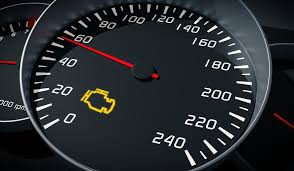

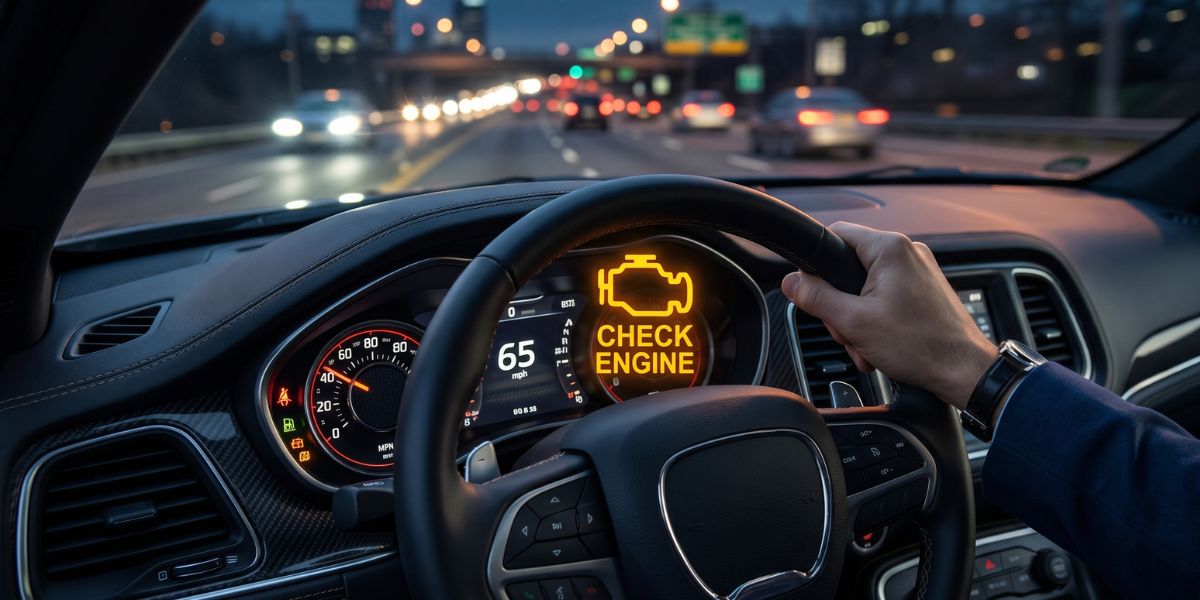
When your check engine light suddenly comes on, it is easy to feel a little stressed. One minute, everything seems normal, and the next, you are wondering if it is still safe to drive or if you need to stop right away. It is one of those dashboard warnings that can mean Something small, or Something much more serious, which is why so many drivers ask the same question: can you drive with the check engine light on?
The honest answer is that it depends. In some cases, you can keep driving for a short distance if the light is steady and the car feels normal. But if the light is flashing or your vehicle starts shaking, losing power, overheating, or making unusual noises, it is a sign you should not ignore.
The tricky part is that the check engine light does not tell you exactly what is wrong. It only tells you that your vehicle has detected a problem somewhere in the system. That is why understanding the warning matters. In this article, we will explain what the check engine light means, when it may be safe to keep driving, when to stop immediately, and what steps you should take next.
What Does the Check Engine Light Mean?
The check engine light is part of your car’s onboard diagnostics system, often called the OBD system. Modern vehicles use this system to monitor the engine and other key components that affect performance and emissions.
When the system detects Something outside its normal operating range, it turns on the check engine light.
That does not always mean your engine is on the verge of failure. In fact, the issue could be relatively small. But it does mean your car has noticed a problem that needs attention.
The warning can be triggered by many types of issues, including:
- Engine performance problems
- Fuel system faults
- Ignition issues
- Emissions-related problems
- Sensor malfunctions
- Air intake or exhaust system concerns
Think of it like your car’s way of saying, “Something is not right. Please check me.”
A good example is a faulty oxygen sensor. Your car may still drive, but the engine may not run as efficiently, and your fuel economy may drop. Another example is a misfire caused by bad spark plugs. That can start as a small issue but quickly become more serious if ignored.
The important thing to remember is this: the check engine light should never be ignored just because the car still runs. A diagnostic scan is the best way to find out what is really causing it.
Can You Drive With the Check Engine Light On?
This is the question most drivers want answered right away. Yes, you may be able to drive with the check engine light on for a short time, but only under certain conditions.
If the light is steady and your vehicle feels normal, you can often drive carefully to a mechanic, your home, or another safe location. But that does not mean you should continue driving for days or weeks without getting the issue checked.
On the other hand, if the light is flashing, or if your car is shaking, stalling, overheating, losing power, or making strange noises, you should not continue driving unless absolutely necessary to reach a safe place.
Here is a simple way to think about it:
- Steady light + no symptoms: usually okay for a short distance
- Flashing light or noticeable symptoms: stop driving as soon as it is safe
For example, imagine your check engine light turns on during your commute, but the car still starts fine, accelerates normally, and sounds the same as usual. In that case, you may be able to finish the short trip and schedule a repair visit.
Now imagine the light starts flashing and your car begins to jerk when you accelerate. That is a very different situation. Continuing to drive could make the repair much more expensive.
So yes, you can sometimes drive with the check engine light on, but the better question is whether you should. In many cases, it is only safe as a temporary step until the car can be diagnosed.
Steady vs Flashing Check Engine Light: What’s the Difference?
This is one of the most important things to understand.
Steady Check Engine Light
A steady check engine light usually means the problem is important, but not immediately catastrophic. It often points to an issue that should be diagnosed soon, even if the car still feels normal.
Common examples include:
- Loose gas cap
- Oxygen sensor issue
- Small emissions fault
- Mass airflow sensor problem
You should still take it seriously, but you usually do not need to panic.
Flashing Check Engine Light
A flashing check engine light is much more urgent. In many vehicles, a flashing light means the engine is misfiring badly enough to cause damage, especially to the catalytic converter. That can lead to a far more expensive repair if you keep driving.
If the light is flashing, you should:
- Reduce speed
- Avoid hard acceleration
- Pull over as soon as it is safe
- Arrange for inspection or towing if needed
A good rule: steady means check it soon, flashing means act now.
When It May Be Safe to Keep Driving for a Short Distance
There are situations where it may be safe to keep driving temporarily. But the key phrase here is short distance.
It may be reasonable to continue driving if all of the following are true:
- The check engine light is steady
- The car starts normally
- The engine sounds normal
- There is no smoke or burning smell
- The car is not overheating
- There is no shaking, hesitation, or power loss
- You are heading a short distance to a mechanic or safe location
For example, let’s say you leave work, the light comes on, but the car feels completely normal. You are only ten minutes from home or a repair shop. In that case, driving cautiously may be acceptable.
Even then, it is smart to avoid:
- Long highway trips
- Heavy traffic if possible
- Towing or carrying heavy loads
- High-speed driving
- Aggressive acceleration
Just because the car seems okay now does not mean the problem cannot get worse. A minor issue can escalate quickly if you keep pushing the vehicle.
When You Should Stop Driving Immediately
There are also times when the safest choice is to stop driving as soon as possible.
You should pull over and reassess if:
- The check engine light is flashing
- The engine is shaking or misfiring
- The car feels underpowered
- You smell fuel or Something burning
- Smoke is coming from the engine area or exhaust
- The vehicle is overheating
- The engine stalls or struggles to stay running
- Other warning lights come on, like oil pressure or battery
For example, if your car suddenly loses power while merging onto a highway and the check engine light is flashing, that is not Something to ignore. Or if the car begins running rough and you smell gasoline, driving farther may not be safe.
In situations like these, pulling over safely and calling roadside assistance can save you from bigger repair bills and reduce the risk of an accident.
Common Reasons the Check Engine Light Comes On
The check engine light can come on for many different reasons. Some are minor and easy to fix. Others are more serious.
Here are some of the most common causes.
Loose, Damaged, or Missing Gas Cap
This is one of the simplest causes. If the gas cap is loose or cracked, it can affect pressure in the fuel system and trigger the warning light.
Faulty Oxygen Sensor
The oxygen sensor measures how much oxygen is in the exhaust gases. If it fails, your engine may burn more fuel than needed, reducing efficiency and increasing emissions.
Bad Spark Plugs or Ignition Coils
These parts help ignite the fuel-air mixture in the engine. If they fail, you may notice rough idling, poor acceleration, or misfires.
Catalytic Converter Problem
The catalytic converter helps reduce harmful emissions. If it gets damaged, the repair can be expensive, and performance may suffer.
Mass Airflow Sensor Issue
This sensor tells the engine how much air is coming in. If it is not working properly, the engine may struggle to balance fuel and air correctly.
Vacuum Leak
A vacuum leak can upset engine performance and trigger the check engine light. It may also cause rough idling or hesitation.
Fuel System Issue
Problems with fuel injectors, fuel pressure, or fuel delivery can all lead to warning lights and drivability issues.
Emissions System Fault
Cars have multiple emissions-related components, and a failure in one of them may cause the light to come on even if the car still seems to run okay.
That is why a scan tool is so important. The light itself does not tell you the exact problem. It only tells you that a problem exists.
Risks of Driving Too Long With the Check Engine Light On
Many drivers keep driving because the car still “feels fine.” That can be tempting, especially when life gets busy. But delaying repairs can lead to bigger problems.
Here are the main risks.
Minor Problems Can Turn Into Major Repairs
A small issue, such as a misfire from a worn spark plug, can eventually damage other components if ignored.
Reduced Fuel Efficiency
If your engine is not operating properly, it may use more fuel than normal. That means more money spent at the pump.
Increased Emissions
Many check engine light issues are related to emissions. Driving with unresolved problems can make your vehicle less environmentally friendly and possibly cause inspection failures.
Catalytic Converter Damage
This is a big one. A misfiring engine can send unburned fuel into the catalytic converter, overheating and damaging it. Replacing one can be expensive.
Sudden Performance Problems
Your car may seem okay one day and much worse the next. A problem that starts small can turn into rough running, stalling, or poor acceleration.
Risk of Breakdown
No one wants to be stranded on the side of the road because they ignored an early warning sign.
In other words, driving too long with the check engine light on can cost more, stress you out, and increase safety risks.
What To Do When the Check Engine Light Comes On
If your check engine light suddenly appears, try not to panic. Instead, go through a few simple steps.
1. Check if the Light Is Steady or Flashing
This tells you a lot about the urgency of the issue.
2. Pay Attention to How the Car Feels
Ask yourself:
- Is the engine running smoothly?
- Is there any shaking or hesitation?
- Is the temperature normal?
- Are there any strange smells or sounds?
3. Check the Gas Cap
If you recently got gas, make sure the cap is tight. A loose gas cap is a common reason for the warning light.
4. Avoid Aggressive Driving
Drive gently. Avoid high speeds, heavy loads, and hard acceleration until the issue is diagnosed.
5. Use an OBD-II Scanner if You Have One
A scanner can read the trouble code and give you a better idea of the problem. Some auto parts stores also offer basic code checks.
6. Schedule a Diagnostic Inspection
The best next step is always proper diagnosis. Guessing can lead to wasted money and time.
For example, many people assume the issue is “probably just a sensor.” Sometimes that is true. Sometimes it is not. The only reliable way to know is to scan the system and inspect the car.
Can a Loose Gas Cap Cause the Check Engine Light?
Yes, it absolutely can. A loose, damaged, or missing gas cap can interfere with the evaporative emissions system. That system is designed to keep fuel vapors from escaping into the air. If the system detects a leak or pressure issue, it may trigger the check engine light.
This is one reason mechanics often suggest checking the gas cap first.
Here is a simple example: you fill up your car, twist the gas cap only halfway, and drive off. A little later, the system detects the pressure problem and turns on the light.
If the gas cap is the issue, tightening or replacing it may solve the problem. However, the light may not go away instantly. It can take several drive cycles before the system resets.
Still, do not assume the gas cap is always the cause. It is a common one, but far from the only possibility.
How Long Can You Drive With the Check Engine Light On?
This is another common question, but there is no exact answer. The truth is, how long you can drive with the check engine light on depends entirely on what is causing it.
If the light is steady and the car is running normally, you may be able to drive a short distance to get help. But that does not mean there is a safe universal number of miles or days.
Some issues stay minor for a while. Others can get worse quickly.
If the light is flashing, the answer is much simpler: you should stop driving as soon as safely possible.
It is better to think in terms of risk rather than distance. The goal is not to see how long you can get away with it. The goal is to get the issue diagnosed before it becomes more serious.
Can the Check Engine Light Turn Off by Itself?
Yes, sometimes it can. If the underlying issue was temporary or intermittent, the system may stop detecting the fault after a while. For example, a loose gas cap that has been tightened properly may eventually stop triggering the warning.
But here is the important part: just because the light goes away does not mean the problem never existed.
Some issues come and go. A sensor may fail only under certain conditions. A small leak may not trigger every trip. That is why it is still a good idea to scan the vehicle, especially if the light came on recently.
Think of it this way: a symptom disappearing does not always mean the cause is gone.
Should You Reset the Check Engine Light Yourself?
You can reset the light with some scan tools or by disconnecting the battery in certain cases, but that does not mean you should.
Resetting the light without fixing the cause is like putting tape over a warning label. The problem is still there.
In fact, clearing the light can create a false sense of security. It may also reset the vehicle’s readiness monitors, which can affect emissions testing.
For example, if you clear the code before an inspection, your car may fail because the monitors have not completed their checks yet.
The smarter approach is this:
- Diagnose the problem
- Repair the issue
- Clear the code if needed
- Make sure the light stays off
That way, you know you solved the real issue instead of hiding it temporarily.
Final Verdict: Can You Drive With the Check Engine Light On?
So, can you drive with the check engine light on?
Yes, sometimes — but only with caution.
If the light is steady and your car is running normally, you can usually drive a short distance to a mechanic or safe place. But you should still get it checked as soon as possible.
If the light is flashing, or if the car is shaking, overheating, stalling, smoking, or losing power, you should stop driving as soon as it is safe.
The biggest mistake drivers make is assuming the problem is not serious just because the car still moves. That can lead to bigger repair bills, worse performance, and avoidable breakdowns.
When in doubt, play it safe. A quick diagnostic check now can save you a lot of money and stress later.
FAQS
Can I drive my car with the check engine light on?
Yes, sometimes. If the light is steady and the car runs normally, you may be able to drive a short distance. But you should still get it diagnosed soon.
Is it dangerous to drive with a check engine light on?
It can be. A steady light may indicate a less urgent issue, while a flashing light or symptoms like shaking, overheating, or power loss can signal a serious problem.
What should I do first when my check engine light comes on?
First, check whether the light is steady or flashing. Then pay attention to how the car feels, check the gas cap, and avoid aggressive driving until the issue is diagnosed.
Can low oil cause the check engine light to come on?
In some vehicles, yes. But low oil more commonly triggers the oil warning light. Either way, it should be taken seriously.
Can a bad battery cause the check engine light to come on?
Yes. Electrical issues, weak voltage, or charging system problems can sometimes trigger engine-related warning lights and sensor faults.
Will the check engine light go away on its own?
Sometimes. If the issue was temporary, the light may turn off after several drive cycles. But it is still wise to scan the car and confirm the cause.
How much does it cost to fix a check engine light issue?
The cost varies widely. It could be Something simple like replacing a gas cap, or Something more expensive like repairing ignition components, sensors, or the catalytic converter.
Does a flashing check engine light mean stop immediately?
In most cases, yes. A flashing light usually signals a more urgent issue, often related to engine misfire, and continued driving can cause damage.