
That Sudden Dashboard Warning
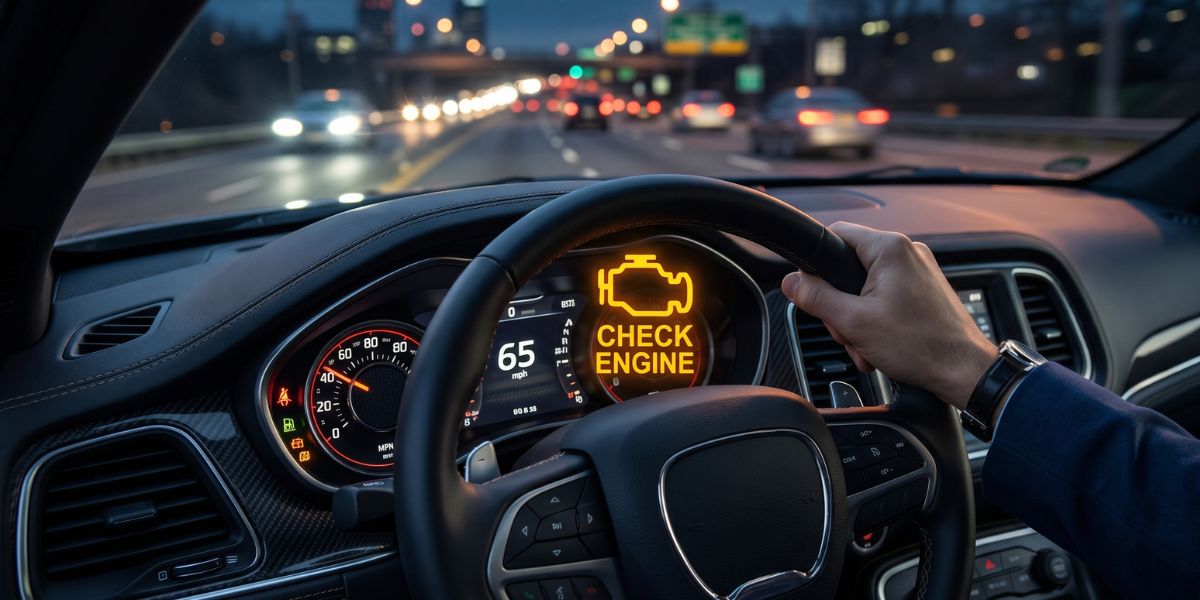
How Long Can You Drive With the Engine Light On? You’re driving peacefully, maybe heading home or on a long trip, when suddenly a small orange light appears on your dashboard. It’s the engine light. At first, you might ignore it, hoping it’s nothing serious.
But then the question hits you: how long can you drive with the engine light on?
Should you keep going? Pull over immediately? Or wait until it becomes a bigger issue?
This is a common dilemma faced by drivers everywhere. Ignoring the warning might seem convenient in the moment, but it could lead to costly damage later.
In this guide, you’ll learn exactly how long you can safely drive with the engine light on, what causes it, and what actions you should take right away to protect your vehicle.
What Does the Engine Light Mean?
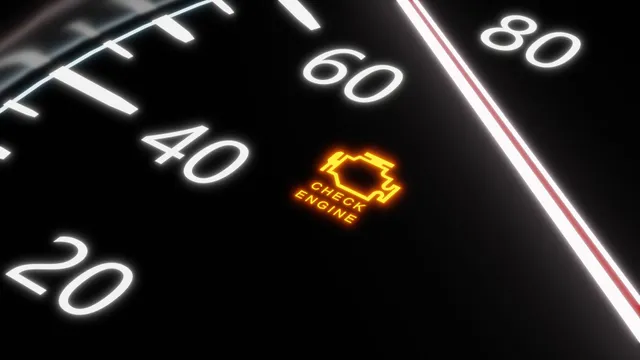
The engine light, also known as the check engine light, is part of your car’s onboard diagnostics system (OBD). It monitors your engine and related components for any issues.
What Triggers the Engine Light?
The system detects problems such as:
- Faulty sensors
- Engine misfires
- Emission control issues
- Loose or damaged fuel cap
Minor vs Serious Problems
Not all engine light warnings are equal:
- Minor issues: Loose gas cap, small sensor malfunction
- Serious issues: Engine misfire, overheating, catalytic converter failure
The challenge is that you often can’t tell the difference without a proper diagnosis.
How Long Can You Drive With the Engine Light On?
This is the key question—and the answer depends on the situation.
If the Light Is Steady
A steady engine light usually indicates a less urgent issue.
- You can typically drive for a short distance
- Avoid long trips or high speeds
- Get the car checked as soon as possible
Think of it as a warning, not an emergency—but still important.
If the Light Is Flashing
A flashing engine light is a serious warning.
- Stop driving immediately
- Continuing can cause severe engine damage
- Call for assistance or visit a mechanic right away
This often indicates a misfire that can damage the catalytic converter.
General Rule
Even if the light seems minor, don’t ignore it for long. The longer you wait, the higher the risk of expensive repairs.
Factors That Affect How Long You Can Drive
Several factors determine whether it’s safe to keep driving:
1. Type of Problem
- Minor sensor issue = less urgent
- Engine or fuel system issue = high risk
2. Vehicle Performance
If you notice:
- Reduced power
- Rough idling
- Poor acceleration
…it’s a sign you should stop driving soon.
3. Driving Conditions
- Highway driving may worsen the issue
- Stop-and-go traffic can strain the engine
4. Engine Temperature
Overheating is a major warning sign. If your engine temperature rises, stop immediately.
Risks of Driving With the Engine Light On
Ignoring the engine light can lead to serious consequences.
Increased Engine Damage
Small problems can quickly turn into major failures.
Reduced Fuel Efficiency
Your car may burn more fuel than necessary.
Higher Repair Costs
What could have been a simple fix may become expensive.
Unexpected Breakdowns
Your car could stop working at the worst possible time.
What Should You Do When the Engine Light Comes On?
Taking the right steps early can save you time and money.
Check for Simple Issues
- Tighten the fuel cap
- Look for visible leaks or unusual smells
Drive Carefully
- Avoid sudden acceleration
- Keep speeds moderate
Use a Diagnostic Tool
If available, use an OBD scanner to identify the problem.
Schedule a Professional Inspection
For accurate diagnosis and repair, consult experts like Electrical Marine Solutions, who specialize in electrical and diagnostic systems.
Common Mistakes to Avoid
Many drivers make these costly mistakes:
❌ Ignoring the Warning Light
Even if the car feels fine, the issue may worsen
❌ Driving Long Distances
This increases the risk of serious damage
❌ Assuming It’s Always Minor
Not all engine lights are harmless
❌ Delaying Diagnosis
Waiting too long can turn a small fix into a big expense
When to Stop Driving Immediately
There are situations where you should stop right away:
- Flashing engine light
- Strange knocking or grinding noises
- Loss of engine power
- Smoke from the exhaust
- Overheating engine
In these cases, continuing to drive can cause permanent damage.
Role of Professional Diagnostics
Modern vehicles rely heavily on electronic systems. That’s why accurate diagnostics are essential.
Why Diagnostics Matter
- Identifies the exact problem
- Prevents unnecessary repairs
- Saves time and money
Electrical System Involvement
Many engine light issues are linked to sensors and electrical components.
Expert Help
Professional services like Electrical Marine Solutions provide:
- Advanced diagnostic tools
- Accurate fault detection
- Reliable repair solutions
Why Choose Electrical Marine Solutions
When dealing with engine light issues, expertise matters.
Specialized Knowledge
Experts in electrical and diagnostic systems.
Reliable Service
Quick and accurate troubleshooting.
Customer-Focused Approach
Focused on long-term vehicle performance and safety.
Comprehensive Solutions
From diagnostics to repairs, everything is handled professionally.
Conclusion: Don’t Take the Risk
So, how long can you drive with the engine light on?
The honest answer: not long—and sometimes not at all.
While a steady light may allow short-distance driving, how long can you drive with the engine light on, a flashing light means you should stop immediately. Ignoring the warning can lead to costly repairs, reduced performance, and even safety risks.
By taking quick action, you can:
- Prevent serious damage
- Save money
- Keep your vehicle running smoothly
👉 Don’t risk costly damage—visit https://electricalmarinesolutions.pl/ today and get expert help!
FAQ
Can I drive with the engine light on for a week?
It’s not recommended. Even minor issues can become serious if ignored for too long.
Is it expensive to fix engine light issues?
Costs vary. Some fixes are simple, while others can be more expensive if delayed.
Will the engine light turn off by itself?
Sometimes, but the underlying issue may still exist.
Can low oil cause the engine light to come on?
Yes, low oil levels or pressure can trigger the engine light and should be addressed immediately.