
Have you ever driven on a rough road and felt every bump, pothole, or crack shaking your entire car? Or maybe you’ve noticed your vehicle swaying too much during turns or dipping forward when braking. These issues don’t just affect comfort—they impact your safety.
So, what’s behind a smooth, stable ride?
The answer lies in your car’s suspension system.
If you’ve ever wondered, “What is a suspension system in a car and why is it so important?”, you’re in the right place. In this complete guide, you’ll learn everything you need to know—from how it works to why it plays a critical role in performance and safety.
What Is a Suspension System in a Car? (Simple Definition)
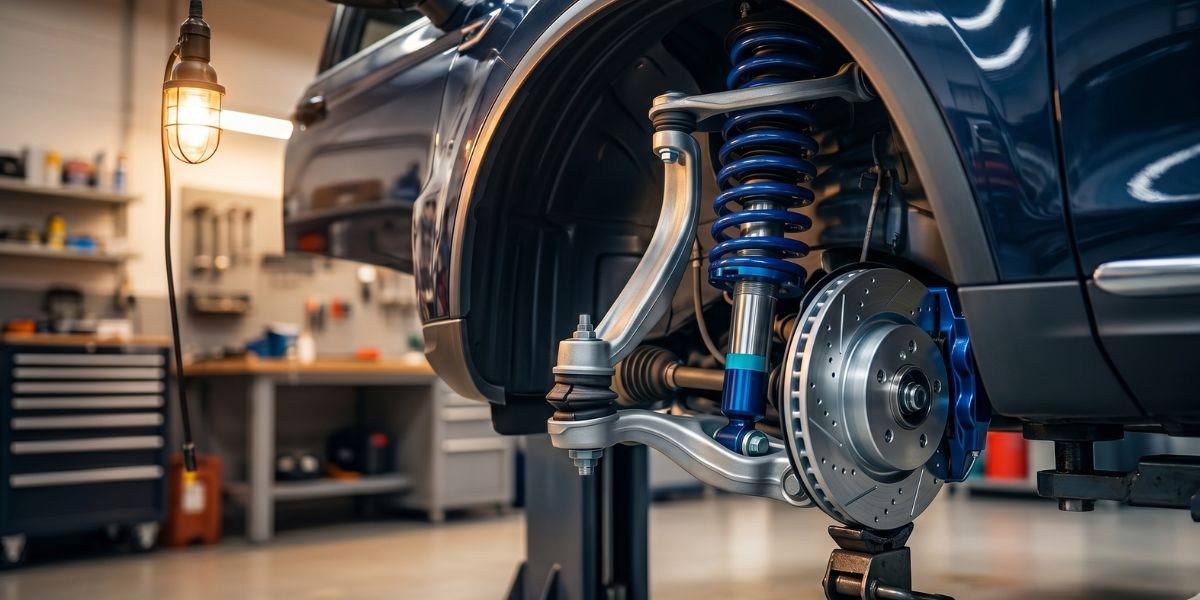
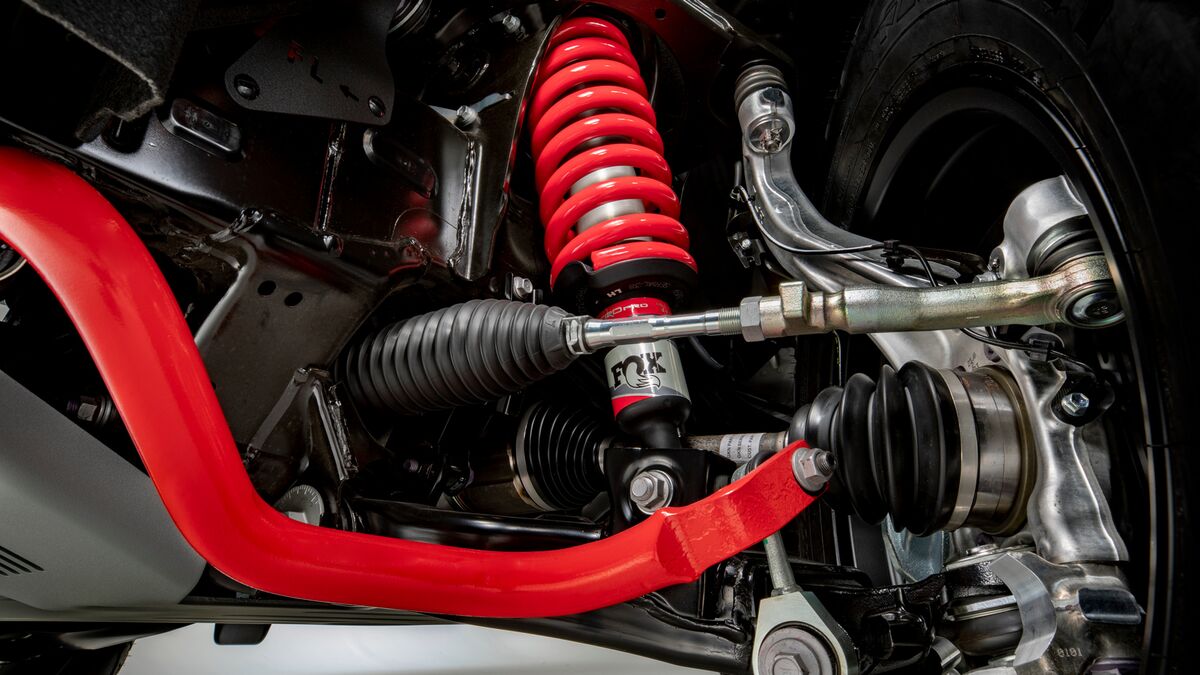
A suspension system is a network of components that connects your car’s wheels to its body. Its main job is to absorb shocks from the road while keeping your tires firmly in contact with the surface.
In simple terms, it ensures:
- A smooth and comfortable ride
- Better control of your vehicle
- Improved safety on all types of roads
Without a suspension system, every bump in the road would be directly felt inside the car, making driving uncomfortable and even dangerous.
How Does a Car Suspension System Work?
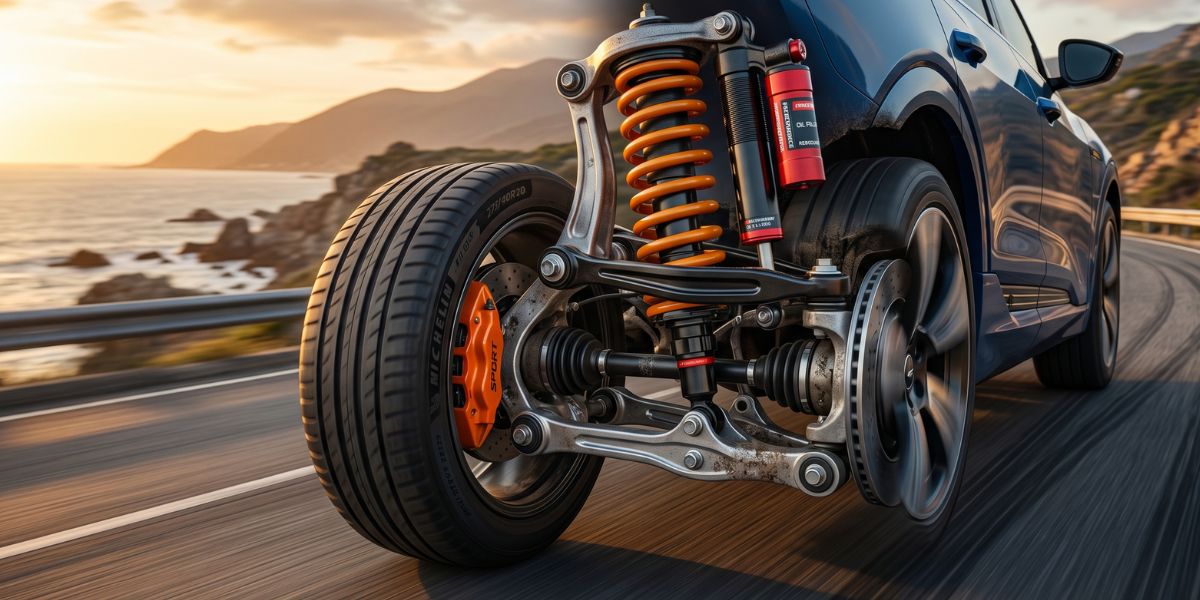
The suspension system works by managing the energy created when your car hits bumps or uneven surfaces.
Basic Working Principle
When your car encounters a bump:
- The wheels move upward
- Springs compress to absorb the shock
- Shock absorbers control the rebound
- The car remains stable and balanced
Key Interactions
- Springs absorb impact energy
- Shock absorbers (dampers) control motion and prevent bouncing
- Linkages and arms maintain proper alignment
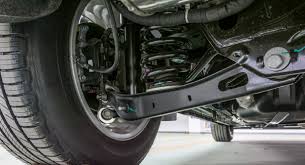
The goal is to strike the perfect balance between comfort and control. Too soft, and your car feels unstable. Too stiff, and the ride becomes uncomfortable.
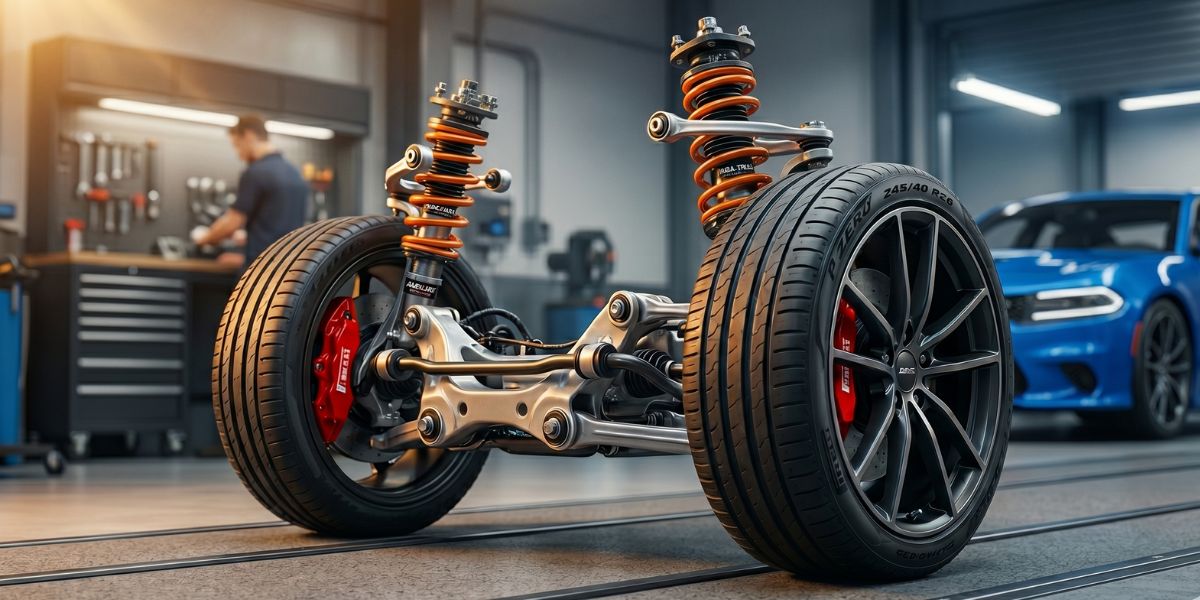
Main Components of a Suspension System
Understanding the components helps you better appreciate how the system works.
Springs
- Types: Coil springs, leaf springs, torsion bars
- Function: Absorb shocks and support the vehicle’s weight
Shock Absorbers (Dampers)
- Control the movement of springs
- Prevent excessive bouncing
Struts
- Combine springs and shock absorbers into one unit
- Provide structural support
Control Arms
- Connect the wheels to the frame
- Allow controlled movement
Anti-Roll Bars (Stabilizer Bars)
- Reduce body roll during turns
- Improve stability
💡 Tip: Regular inspection of these components ensures optimal performance. Professional support from Electrical Marine Solutions can help maintain system efficiency.
Types of Suspension Systems
Different vehicles use different suspension systems depending on design and purpose.
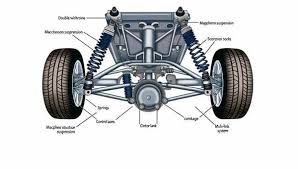
Independent Suspension
- Each wheel moves independently
- Provides better comfort and handling
Dependent (Solid Axle) Suspension
- Wheels are connected
- Strong and durable (common in trucks)
Semi-Independent Suspension
- Combines features of both systems
- Cost-effective and efficient
Air Suspension
- Uses air-filled bags instead of springs
- Offers adjustable ride height and superior comfort
Why Is the Suspension System Important?
The suspension system is essential for more than just comfort.
Improves Ride Comfort
Absorbs road shocks, making driving smooth even on rough surfaces.
Enhances Handling and Control
Keeps tires in contact with the road, improving steering and stability.
Increases Safety
Reduces the risk of losing control during braking or cornering.
Reduces Wear and Tear
Protects other components like tires and chassis from damage.
In short, a good suspension system ensures your car performs safely and efficiently in all conditions.
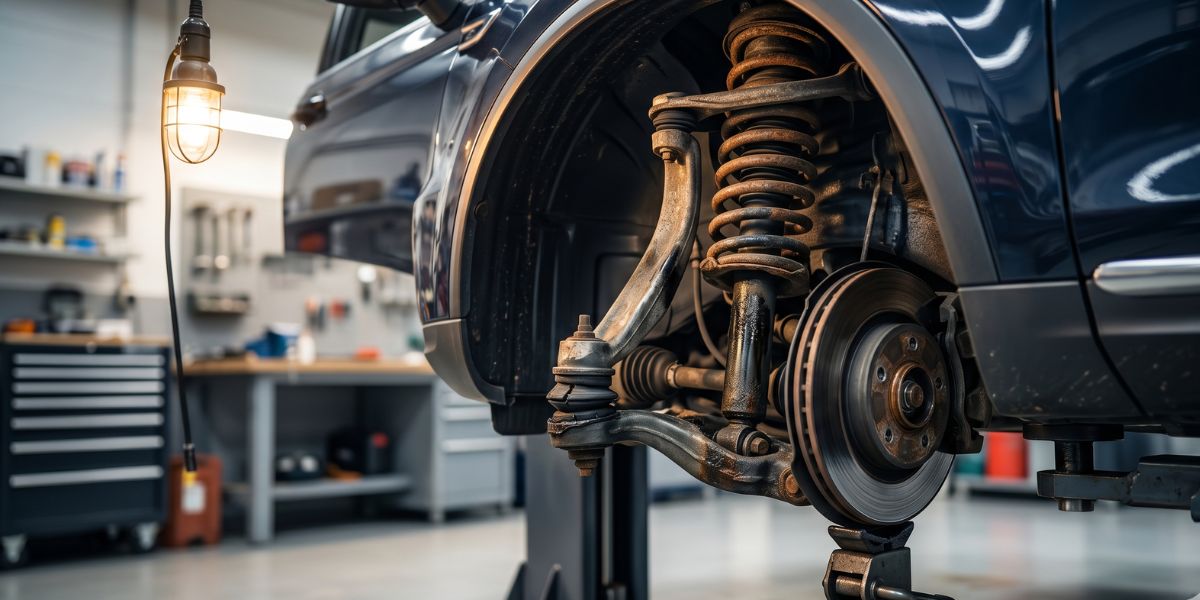
Signs of a Bad Suspension System
Ignoring suspension problems can lead to serious safety issues. Watch out for these warning signs:
Rough or Bouncy Ride
If your car feels like it’s bouncing excessively, your shocks may be worn out.
Uneven Tire Wear
Poor suspension can cause tires to wear unevenly.
Nose-Diving When Braking
The front of the car dips sharply when stopping.
Steering Problems
Difficulty controlling the vehicle or drifting while driving straight.
If you notice any of these symptoms, it’s time to inspect your suspension system immediately.
Maintenance Tips for Suspension System
Proper maintenance can extend the life of your suspension system.
Regular Inspection
Check components periodically for wear and damage.
Replace Worn-Out Parts
Shocks and struts should be replaced when they lose effectiveness.
Check Wheel Alignment
Misalignment can affect suspension performance and tire wear.
Avoid Overloading
Excess weight puts extra strain on the system.
Taking these steps ensures a smoother ride and prevents costly repairs.
Suspension Systems in Marine & Specialized Vehicles
While suspension systems are primarily associated with cars, the concept of stability and shock absorption also applies to marine and specialized vehicles.
In marine environments:
- Stability is crucial for safety and performance
- Electrical and mechanical systems must work together seamlessly
- Proper system integration ensures reliability in harsh conditions
This is where expert services like Electrical Marine Solutions come in. Their expertise in electrical and mechanical systems helps ensure optimal performance across different applications.
Why Choose Electrical Marine Solutions
When it comes to maintaining performance and reliability, choosing the right service provider matters.
Expertise You Can Trust
Specialized knowledge in electrical and mechanical systems.
Reliable Maintenance Support
Ensures your systems operate efficiently and safely.
High-Quality Service
Focused on long-term performance and customer satisfaction.
Comprehensive Solutions
From diagnostics to maintenance, they provide complete support.
Whether you’re dealing with automotive systems or marine applications, professional expertise can make all the difference.
Don’t Ignore Your Suspension System
Your car’s suspension system plays a critical role in ensuring comfort, control, and safety. From absorbing shocks to maintaining stability, it’s one of the most important systems in your vehicle.
By understanding what a suspension system in a car is, how it works, and how to maintain it, you can:
- Improve your driving experience
- Prevent costly repairs
- Stay safe on the road
Don’t wait for problems to appear. Take action now and keep your suspension system in top condition.
👉 Need expert advice? Visit https://electricalmarinesolutions.pl/ today and ensure your systems perform at their best!
What does a suspension system do in a car?
It absorbs shocks from the road and keeps your car stable, ensuring comfort and safety.
How long does a suspension system last?
Most components last between 50,000 and 100,000 kilometers, depending on usage and road conditions.
Can I drive with a bad suspension?
It’s not recommended, as it can affect control, safety, and tire wear.
How much does it cost to repair the suspension?
Costs vary depending on the issue, but early maintenance is always cheaper than major repairs.