
Common Marine Electrical Problems: Understanding the Challenges
Salt Corrosion and Oxidation in Marine Environments
How Saltwater Accelerates Electrical Deterioration
Salt corrosion represents the single most destructive force affecting marine electrical systems. Unlike terrestrial environments, vessels operate in a corrosive cocktail of salt spray, moisture, and oxygen—creating ideal conditions for accelerated oxidation and metal degradation.
Key facts about saltwater corrosion:
- Salt water accelerates corrosion rates by 50-100% compared to freshwater environments
- Copper and aluminum components are particularly vulnerable
- Corrosion can create resistance that generates excessive heat in electrical circuits
- Even microscopic corrosion layers can reduce current flow and system efficiency
Vulnerable Components and Risk Areas
The following marine electrical components suffer most from saltwater exposure:
- Battery terminals and connections – First point of failure in most vessels
- Alternator housings and connections – Prone to brackish water ingress
- Starter motor terminals – Subject to constant moisture exposure
- Wiring harnesses and connectors – Especially those without proper sealing
- Shore power connections – Repeatedly exposed to wet conditions
- Backup generator terminals – Critical for emergency systems
Battery Management and Power System Failures
The Challenge of Marine Battery Systems
Marine batteries endure conditions that challenge even premium battery technology. Constant vibration, temperature extremes, and irregular charging patterns create a perfect storm for premature battery failure.
Marine battery challenges:
- Vessels experience continuous vibration that loosens terminals and damages internal battery plates
- Temperature swings of 30-40°C between engine room and deck create stress on battery chemistry
- Incomplete charging cycles from inconsistent alternator output reduce battery lifespan by 30-40%
- Lead-acid batteries in marine service typically last 18-24 months versus 36-48 months in stationary applications
Common Battery-Related Failures
Stratification in Deep Cycle Batteries
Deep stratification occurs when the electrolyte solution separates, concentrating sulfuric acid at the bottom. This condition:
- Reduces battery capacity by 10-20%
- Increases internal resistance
- Accelerates plate corrosion
- Can be prevented through proper ventilation and regular equalization
Sulfation Issues
When batteries remain partially charged or discharged, lead sulfate crystals form on plates. These crystals:
- Cannot be converted back to active material once hardened
- Permanently reduce battery capacity
- Increase self-discharge rates
- Require replacement rather than repair
who makes small suzuki outboard motors
Alternator and Charging System Failures
Overcharging and Undercharging Paradox
Marine alternators face a unique challenge: they must maintain consistent output while engine RPM varies dramatically during normal operations. This variability creates two critical failure scenarios:
Overcharging Conditions:
- Voltage regulators malfunction, allowing excessive charging
- Battery acid escapes through vents (hydrogen gas release)
- Battery plates warp and deteriorate
- Electrical components receive damaging overvoltage
Undercharging Conditions:
- Battery discharge exceeds charging input during normal operations
- Vessel operates with chronically depleted batteries
- Starting capability deteriorates progressively
- Emergency systems become unreliable
Pulley Misalignment and Belt Deterioration
The serpentine belt connecting your engine to the alternator faces constant stress:
- Saltwater spray causes rubber degradation
- Misalignment reduces alternator output efficiency by 15-25%
- Slipping belts cannot adequately charge batteries
- Worn belts can break suddenly, eliminating charging capability
Wiring Degradation and Insulation Failure
Environmental Attack on Electrical Insulation
Marine vessel wiring operates in an incredibly hostile environment. Engine room temperatures exceed 60°C, humid compartments remain near 100% moisture saturation, and vibration constantly flexes connections.
Factors degrading wire insulation:
- Saltwater chloride penetration breaks down insulation polymers
- Heat cycles age insulation material, reducing flexibility
- Vibration abrades insulation against sharp edges and fasteners
- Oil and fuel exposure chemically attacks many insulation materials
- UV radiation from sunlight degrades topside wiring
The Hidden Danger of Chafing Wires
Wiring chafe—where insulation rubs through—represents a critical fire hazard:
- Chafed wires expose live conductors to metal structures (short circuits)
- Short circuits create localized heat exceeding 800°C
- Fire develops rapidly in engine rooms filled with flammable materials
- Prevention requires periodic inspection and protective conduit installation
Moisture Infiltration and Component Failure
How Moisture Destroys Electrical Systems
In maritime environments, moisture isn’t merely uncomfortable—it’s destructive. Moisture in electrical systems:
- Creates electrical pathways that shouldn’t exist (leakage current)
- Promotes corrosion on component surfaces
- Reduces insulation resistance of wiring
- Causes electrical arcing in high-voltage systems
- Enables fungal growth in sealed enclosures
Vulnerable Components and Sealing Failures
Critical components requiring moisture protection:
- Switchboards and electrical panels (accumulated moisture causes internal corrosion)
- Motor windings (moisture reduces dielectric strength)
- Capacitors and condensers (moisture causes capacitance drift and early failure)
- Connector blocks and terminals (moisture bridges insulation gaps)
Grounding and Bonding System Issues
The Critical Role of Proper Grounding
Marine grounding systems serve multiple critical functions:
- Safety ground – Protects crew from electrical shock
- Lightning protection – Diverts lightning safely to water
- Electromagnetic shielding – Reduces electrical noise and interference
- Static dissipation – Prevents dangerous static electricity accumulation
Common Grounding Failures
Corroded Ground Connections:
The connection between your vessel’s hull and seawater must remain pristine:
- Even slight corrosion increases resistance from 0.1Ω to 10-100Ω
- Increased resistance generates dangerous voltage potentials on metal structures
- Risk of electrical shock increases dramatically
- Lightning protection effectiveness decreases
Sacrificial Anode Depletion:
- Sacrificial anodes must be regularly inspected and replaced
- Depleted anodes cease protecting underwater hull penetrations
- Corrosion accelerates on through-hull fittings
- Structural integrity of the vessel can be compromised
Prevention Strategies: Protecting Your Marine Electrical Systems
Comprehensive Preventive Maintenance Program
The Foundation: Establishing a Maintenance Schedule
A documented preventive maintenance (PM) schedule serves as the backbone of electrical reliability:
Daily Inspections:
- Visual check for corrosion on battery terminals
- Listen for unusual alternator or starter sounds
- Verify electrical gauges display normal readings
- Check for any burning smells indicating short circuits
Weekly Maintenance:
- Clean battery terminals and cable connectors
- Verify battery specific gravity (for lead-acid batteries)
- Inspect accessible wiring for visible chafe or damage
- Test navigation light functionality
Monthly Deep Checks:
- Measure battery voltage and terminal resistance
- Inspect alternator output voltage and regulation
- Check voltage drop across major power distribution points
- Examine switchboard for moisture or corrosion accumulation
Quarterly Comprehensive Service:
- Full alternator output testing under load
- Complete wiring insulation resistance measurement
- Ground continuity verification throughout vessel
- Replacement of air filters in electrical enclosures
Annual Professional Inspection:
- Third-party electrical survey by certified marine electrician
- Thermographic imaging to identify hot spots
- Complete circuit load testing
- Backup system functionality verification
Digital Monitoring Systems
Modern vessels benefit from continuous electrical monitoring:
- Real-time battery voltage and current monitoring
- Alternator output trending and anomaly detection
- Temperature monitoring in electrical compartments
- Automated alerts for voltage, current, or resistance anomalies
who makes small suzuki outboard motors
Corrosion Prevention and Control
Environmental Protection Measures
Protecting Components from Saltwater:
- Apply marine-grade dielectric grease to all terminals and connectors
- Install protective boots and covers on exposed connections
- Use stainless steel or corrosion-resistant fasteners
- Apply conformal coating to PCBs and sensitive electronics
- Install breathable vents with moisture filters
Regular Cleaning Protocols
Effective Cleaning Procedures:
- Disconnect power before beginning any cleaning
- Use deionized water or specialized electrical contact cleaner
- Remove corrosion with soft brass brushes (never steel wool)
- Dry thoroughly using compressed air
- Apply protective coating immediately after cleaning
- Document all cleaning activities in maintenance logs
Battery Management Excellence
Proper Battery Installation and Securing
- Install batteries in secure boxes that prevent movement
- Use heavy-gauge cable (minimum 00 AWG for main distribution)
- Maintain adequate spacing for airflow and ventilation
- Install battery switches for isolation capability
- Ensure proper fusing near battery positive terminals
Charging System Optimization
Voltage Regulator Maintenance:
- Verify regulator output voltage monthly (13.5-14.5V for 12V systems)
- Check temperature compensation functionality
- Replace regulators showing voltage drift exceeding ±0.5V
- Upgrade to three-stage smart chargers for extended battery life
Battery Equalization:
- Equalize flooded batteries monthly in marine service
- Monitor water levels weekly and top off with distilled water
- Replace batteries exhibiting consistent undercharge conditions
- Consider sealed AGM or lithium alternatives to reduce maintenance
Capacity Planning and Redundancy
- Calculate actual electrical demands during extended offshore operations
- Size battery banks 25-40% larger than minimum requirements
- Implement backup power systems for critical navigational equipment
- Consider hybrid systems combining batteries with renewable energy
Wiring and Insulation Protection
Marine-Grade Cable Selection
Choosing the Right Cable for Marine Applications:
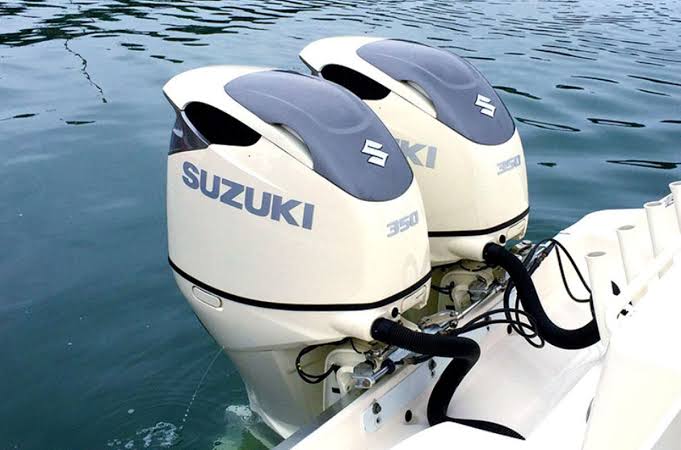
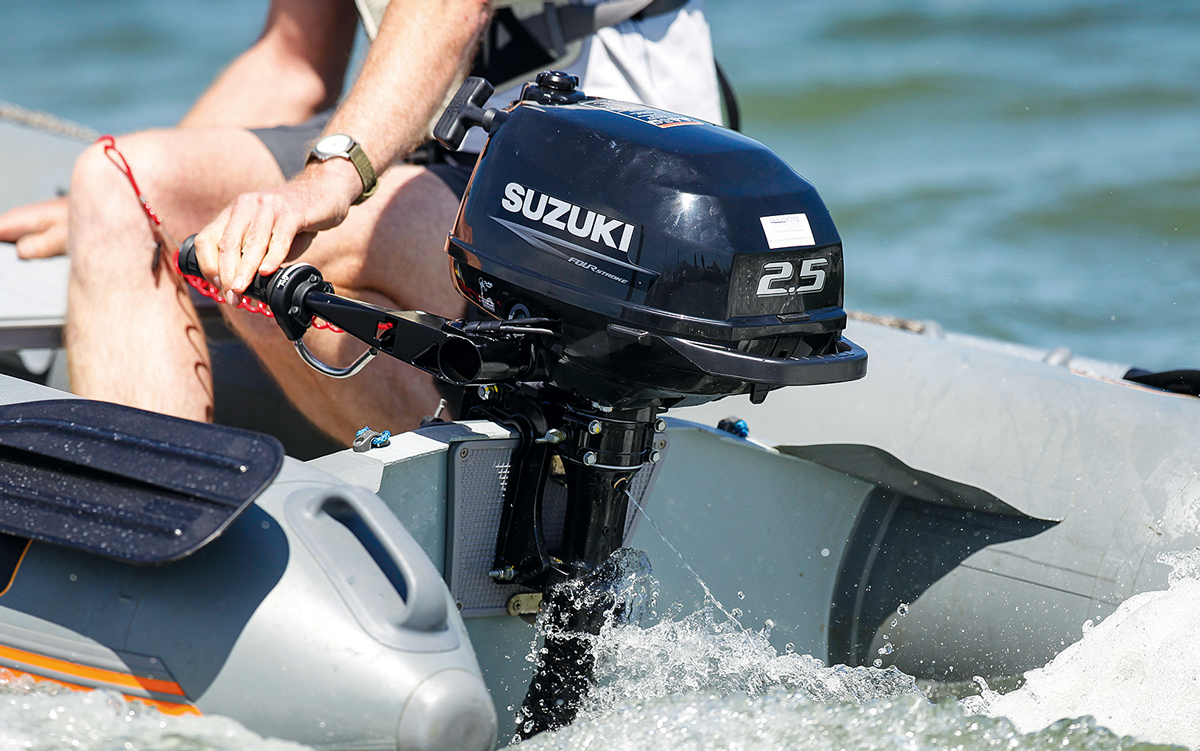
When selecting electrical cable—whether for large vessels or smaller systems like Suzuki outboard motors, which require 8-10 AWG cable despite their compact size—proper specifications are critical:
- Marine-grade cable (ABYC or IEC standards) features superior insulation compounds
- Tinned copper conductors resist corrosion better than bare copper
- Double insulation provides redundant protection against moisture
- Proper voltage rating ensures safety margins for peak voltage spikes
Wire Routing and Protection
Installation Best Practices:
- Route wiring through protective conduit where possible
- Secure cable runs away from engine heat sources
- Maintain minimum clearance from moving machinery and sharp edges
- Label all circuits clearly for rapid troubleshooting
- Use marine-rated cable trays preventing moisture pooling
- Avoid running power cables parallel to navigation equipment (EMI issues)
Inspection and Documentation
- Create detailed wiring diagrams with circuit protection specifications
- Mark all cable runs with UV-resistant labeling
- Document all modifications to original installations
- Perform annual insulation resistance testing (minimum 1MΩ at 500V)
- Replace any wiring showing signs of age degradation
Grounding and Bonding System Excellence
Verification and Testing
Critical Grounding Measurements:
- Measure hull-to-water resistance monthly (target: less than 1Ω)
- Test lightning ground path continuity quarterly
- Verify bonding resistance between all metallic structures (less than 0.1Ω)
- Document all measurements in permanent logs
Maintaining Sacrificial Anodes
- Inspect anodes quarterly for consumption rate
- Replace anodes when consumed 50% or greater
- Size anodes based on vessel underwater surface area and material
- Keep spare anodes aboard for emergency replacement
- Monitor for anode effectiveness using visual corrosion assessment
Crew Training and Awareness
Essential Electrical Knowledge
Every crew member should understand:
- Basic electrical safety principles (avoiding shock hazards)
- How to safely shut down electrical systems in emergencies
- Recognition of warning signs (burning smells, sparks, unusual sounds)
- Proper procedures for reporting electrical anomalies
- Fundamental battery charging and terminal cleaning procedures
Documentation and Recordkeeping
- Maintain comprehensive maintenance logs for all electrical work
- Record environmental conditions during commissioning for comparison
- Document all modifications and system upgrades
- Create quick-reference guides for emergency procedures
- Keep spare parts inventory relevant to your vessel’s electrical systems
Real-World Case Studies: Lessons from Maritime Incidents
Case Study 1 – The Container Vessel Electrical Fire
A modern container vessel operating between Asian ports experienced a catastrophic electrical fire in the main switchboard. Investigation revealed:
Root Causes:
- Years of saltwater spray had corroded internal switchboard components
- Moisture had accumulated inside sealed enclosures without proper drainage
- Annual inspections had been deferred for cost reasons
- Wiring insulation had degraded significantly, creating multiple short-circuit points
Consequences:
- Complete main power loss while at sea
- Backup generator failure due to related electrical damage
- Emergency towing required (approximately $500,000 cost)
- Cargo damage and schedule disruption
- Potential crew safety incident
Prevention Strategy Implemented:
- Quarterly switchboard moisture checks
- Sealed enclosure drainage system installation
- Annual professional electrical surveys (mandatory)
- Enhanced crew electrical safety training
- Real-time electrical monitoring system installation
Case Study 2 – The Offshore Platform Electrical Shutdown
An offshore oil and gas platform experienced unexpected electrical shutdown affecting production equipment:
Root Causes:
- Alternator voltage regulator failure from corroded connections
- Battery bank deeply discharged due to undercharging condition
- Backup systems not activated due to crew unfamiliarity
- Maintenance records incomplete, preventing trend analysis
Consequences:
- 72-hour production shutdown
- Estimated $2 million revenue loss
- Crew morale impact and safety concerns
- Regulatory investigation and compliance penalties
Prevention Strategy Implemented:
- Digital electrical monitoring with automated alerts
- Monthly voltage regulator testing and documentation
- Battery management system upgrade
- Comprehensive crew electrical systems training
- Establishment of documented emergency procedures
Marine Electrical Solutions for Different Vessel Types
Small Vessel Considerations (Suzuki Outboard Motor Systems)
Smaller vessels and those equipped with marine outboard motors—including popular systems like those manufactured by major marine component suppliers—face unique electrical challenges:
Specific Challenges:
- Limited space for battery bank expansion
- Portable fuel systems create additional fire risk
- Single-point failures can disable entire vessel
- Maintenance access often restricted
Optimized Solutions:
- Oversized battery capacity relative to vessel size (safety margin critical)
- Sealed AGM batteries reducing maintenance requirements
- Redundant charging systems (primary alternator plus portable charger)
- Simplified but robust ground systems
- Quick-disconnect battery switches for emergency isolation
Commercial Vessel Electrical Systems
Larger commercial vessels require sophisticated electrical architectures:
System Requirements:
- Dual or triple redundant main power systems
- Automated switchover capabilities for backup power
- Integrated monitoring of all critical systems
- Compliance with international maritime standards (SOLAS, DNV, ABS)
Implementation Strategies:
- Professional system design by certified marine electrical engineers
- Comprehensive documentation of electrical single-line diagrams
- Redundant grounding systems with continuous monitoring
- Automated load-shedding in emergency conditions
- Segregated circuits preventing cascade failures
Technological Advances in Marine Electrical Protection
Smart Monitoring and Predictive Maintenance
Modern electrical systems incorporate advanced monitoring capabilities:
Benefits of Digital Monitoring:
- Early warning detection – Identify problems before failure occurs
- Performance trending – Track system degradation over time
- Automated alerts – Immediate notification of anomalies
- Data analysis – Optimize maintenance scheduling and spare parts inventory
- Remote diagnosis – Shore-based experts can assess vessel systems
Advanced Battery Technology
Lithium-Iron-Phosphate (LiFePO₄) Batteries:
- Superior cycle life (3000+ cycles vs. 500 for lead-acid)
- Lightweight and space-efficient
- Temperature-resistant chemistry
- Built-in battery management systems
- Higher initial cost offset by extended lifespan
Supercapacitor Integration:
- Handles high-current transient demands
- Reduces strain on alternators
- Extends battery lifespan
- Improves engine starting reliability
Compliance and Standards Considerations
International Maritime Electrical Standards
Critical Standards for Vessel Operations:
- SOLAS (Safety of Life at Sea) – International maritime safety requirements
- DNV GL, ABS, ClassNK – Classification society rules for electrical systems
- ABYC Standards – American Boat and Yacht Council specifications
- IEC Standards – International Electrotechnical Commission marine standards
Understanding and maintaining compliance with these standards ensures:
- Proper insurance coverage
- Safe crew operations
- Regulatory acceptance in international ports
- Reliable system operation in emergency conditions
Documentation and Certification Requirements
Essential Documentation:
- Electrical system installation certificates
- Test reports for major electrical components
- Maintenance records with certified professional signatures
- Modification approval documentation
- Compliance declarations for regulatory bodies
Troubleshooting Guide: Quick Reference for Common Problems
Troubleshooting Table
| Problem | Likely Causes | Immediate Action | Prevention |
|---|---|---|---|
| Battery won’t charge | Faulty alternator, broken belt, corroded connections | Clean terminals, test belt tension, measure alternator output | Monthly alternator testing, quarterly belt inspection |
| Starting difficulty | Low battery, internal resistance, sulfation | Measure battery voltage and specific gravity | Maintain charge above 80%, monthly equalization |
| Electrical fire smell | Wire chafe, overheated components, short circuit | Immediately disconnect power, investigate source | Protect cables, monthly inspections |
| Corrosion on terminals | Saltwater exposure, incomplete charging | Clean with deionized water, apply dielectric grease | Monthly cleaning, quarterly protective coating |
| Navigation light failure | Burnt bulb, corroded socket, broken wire | Test continuity, clean connections | Quarterly testing, maintain spare bulbs |
| Voltage fluctuations | Loose connections, faulty regulator, worn belt | Tighten connections, test regulator output | Monthly voltage measurements, annual regulator service |
Conclusion: Electrical Excellence and Maritime Safety
Common marine electrical problems represent one of the most significant operational and safety challenges facing maritime professionals. From the relentless corrosion caused by saltwater exposure to the complex power management requirements of modern vessels, electrical systems demand constant attention and proactive management.
Key Takeaways for Maritime Professionals:
- Prevention is invariably more cost-effective than managing electrical failures at sea
- Documentation and monitoring provide the foundation for reliable operations
- Professional expertise from certified marine electricians prevents costly mistakes
- Crew training and awareness multiply the effectiveness of all other prevention measures
- Modern technology offers unprecedented monitoring and reliability capabilities
Whether you manage a small vessel with Suzuki outboard motors or oversee a fleet of commercial cargo ships, the principles of electrical excellence remain constant: regular maintenance, environmental protection, professional-grade components, and continuous improvement.
The investment in electrical system reliability pays dividends through reduced downtime, enhanced crew safety, and protected vessel assets.
Frequently Asked Questions
How often should marine batteries be replaced?
In typical marine service, lead-acid batteries should be replaced every 18-24 months. AGM (Absorbed Glass Mat) batteries may last 3-4 years, while modern lithium batteries can exceed 10 years with proper management. Regular testing helps identify batteries failing early, allowing scheduled replacement rather than emergency maintenance.
What’s the difference between marine-grade and automotive electrical cable?
Marine-grade cable features tinned copper conductors (corrosion-resistant), superior insulation compounds resistant to saltwater penetration and UV exposure, and compliance with marine standards (ABYC/IEC). Automotive cable uses bare copper and standard insulation, deteriorating rapidly in marine environments. Marine applications always require marine-grade specifications.
How can I prevent electrical fire hazards on my vessel?
Prevent electrical fires through: regular wiring inspections for chafe, proper cable routing through protective conduit, correct circuit breaker sizing, saltwater protection on all connections, and monthly visual inspections of electrical components. Install fire detection systems in engine compartments and maintain fire extinguishers rated for electrical fires (Class C).
What should I do if my alternator stops charging?
First, check the serpentine belt for damage or slipping. Measure alternator output voltage (should be 13.5-14.5V for 12V systems). Test battery condition separately. If these checks don’t resolve the issue, have a marine electrician test the voltage regulator and alternator internal components. Avoid extended operation without charging—backup systems may fail.
Is lithium battery conversion practical for existing marine vessels?
Lithium batteries are increasingly practical for marine applications, particularly smaller vessels and recreational boats. However, conversion requires compatible charging systems (three-stage chargers), potential modifications to electrical architecture, and investment in battery management systems. Consult a marine electrical specialist to evaluate feasibility for your specific vessel, as larger commercial ships may require complete system redesign.
How often should I test my vessel’s grounding system?
Test your grounding system quarterly by measuring hull-to-water resistance (target: less than 1Ω) and bonding resistance between metallic structures (less than 0.1Ω). Inspect sacrificial anodes monthly for consumption rate. After any hull modification or corrosion-related incident, immediately verify grounding continuity. Comprehensive annual testing by a certified marine electrician ensures compliance and safety.
Contact a certified marine electrical solutions provider to:
- Conduct a professional system assessment
- Implement digital monitoring systems
- Establish preventive maintenance protocols
- Train your crew on electrical safety
- Ensure full regulatory compliance