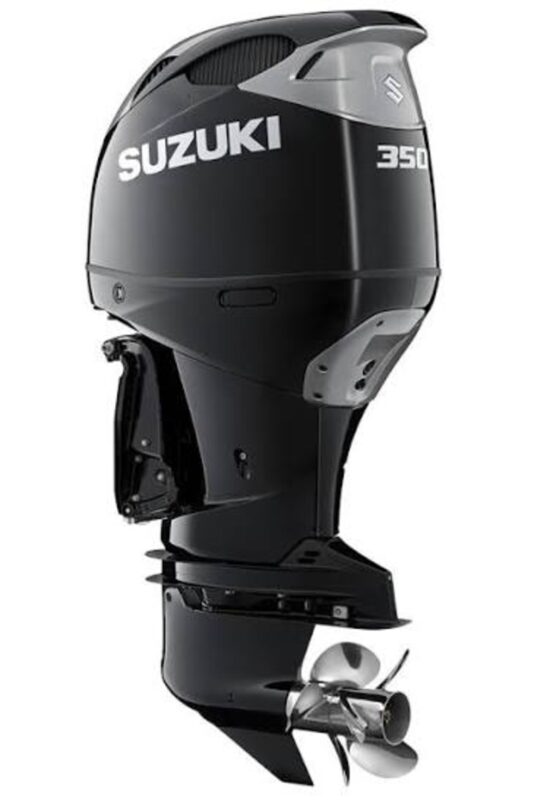

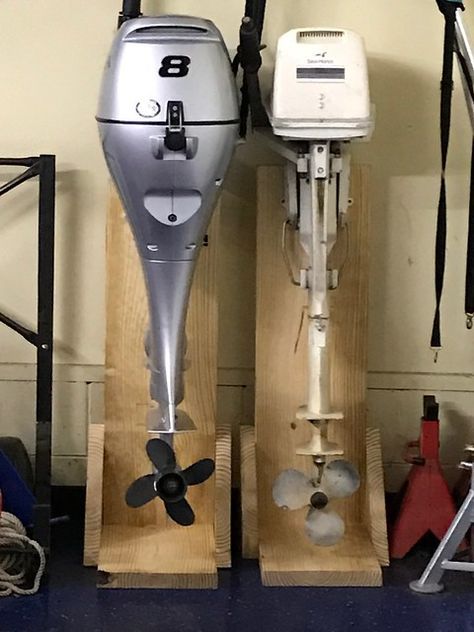
How to build an outboard motor stand
According to industry reports, approximately 20-25% of all marine casualties are linked to electrical system failures. These failures can lead to:
- Loss of propulsion and steering control
- Failure of safety systems and emergency equipment
- Fire hazards and potential loss of the vessel
- Expensive emergency repairs in remote locations
- Regulatory penalties and insurance claims
- Crew safety risks and operational delays
This comprehensive guide examines the most common marine electrical problems, explores their root causes, and provides practical prevention strategies that ship owners, marine engineers, shipyard managers, and offshore companies can implement immediately. Whether you’re managing a commercial fleet, operating offshore platforms, or overseeing marine maintenance operations, understanding these issues is essential for operational success and crew safety.
The Five Most Common Marine Electrical Problems
1. Corrosion and Galvanic Corrosion in Marine Environments
Corrosion is the silent killer of marine electrical systems. In the harsh marine environment where saltwater, humidity, and oxygen create a perfect storm for degradation, corrosion attacks electrical components with relentless efficiency.
Understanding the Problem:
Marine vessels operate in one of the most corrosive environments known to engineering. Saltwater intrusion causes oxidation on copper wiring, corrodes terminal connections, and degrades insulation materials. Galvanic corrosion—an electrochemical reaction between dissimilar metals—accelerates this process dramatically.
Common areas affected by corrosion include:
- Battery terminals and cable connections
- Electrical panel contacts and breakers
- Through-hull fittings and sea chests
- External antenna and radio equipment
- Engine room wiring and junction boxes
- Propulsion motor brush assemblies
Real-World Impact: A shipping company operating a container vessel noticed intermittent power failures in the cargo hold lighting system. Investigation revealed corroded connections in the feeder cables running through humid cargo holds. The oxidation had increased electrical resistance, causing voltage drops and equipment shutdowns. The repair required replacing 200 meters of corroded cable and all connections—an expensive and time-consuming operation that could have been prevented.
2. Battery System Failures and Insufficient Charging
Emergency backup systems depend on reliable battery banks, yet battery-related failures account for nearly 15% of all marine electrical problems.
Why Battery Failures Occur:
- Overcharging: Faulty voltage regulators can overcharge batteries, causing internal damage and electrolyte loss
- Undercharging: Insufficient charging leaves batteries in a discharged state, reducing capacity and lifespan
- Age and Degradation: Marine batteries face harsh operating conditions, reducing their service life to 3-5 years
- Poor Maintenance: Neglecting terminal cleaning and electrolyte levels accelerates failure
- Incorrect Installation: Improper connections and inadequate cable sizing reduce charging efficiency
- Temperature Extremes: Arctic and tropical operations stress battery chemistry
The consequences are severe: a vessel with failed emergency batteries cannot operate essential safety systems, navigation equipment, or distress signals. Regulatory authorities view this as a critical safety violation that can result in detention and fines.
3. Insulation Degradation and Electrical Leakage
Wire insulation in marine environments experiences constant stress from heat, moisture, UV radiation, and mechanical wear.
How Insulation Fails:
As insulation deteriorates, it allows electrical current to leak from conductors to metal structures and seawater. This leakage current creates several problems:
- Reduced power efficiency (voltage drops)
- Increased heat generation in cables
- Risk of electrical shock to crew members
- Potential for electrical fires
- Accelerated corrosion of metal components
- Malfunctioning sensitive electronics
Leakage currents as small as 10-30 milliamps can be life-threatening to crew members, particularly in engine rooms where water and moisture are present.
4. Generator and Alternator Failures
Marine generators and alternators operate under extreme conditions—constant vibration, temperature fluctuations, salt spray exposure, and heavy electrical loads. These conditions inevitably lead to component failures.
Common Generator Problems:
- Bearing Wear: Excessive vibration and misalignment cause premature bearing failure
- Voltage Regulation Issues: Faulty AVRs (Automatic Voltage Regulators) cause unstable power output
- Brush and Commutator Damage: Carbon brushes wear rapidly, reducing generator efficiency
- Fuel System Contamination: Water and sediment in fuel cause injector fouling and weak generator performance
- Cooling System Blockage: Saltwater cooling systems become blocked with scale, causing overheating
- Synchronization Problems: Multiple generators fail to synchronize, causing electrical instability
When a generator fails at sea, the vessel loses all electrical power. This isn’t just an inconvenience—it’s a critical safety emergency.
5. Switchboard and Distribution Panel Failures
The electrical switchboard is the nerve center of a vessel’s power system. It receives power from generators, distributes it throughout the ship, and protects circuits using circuit breakers and relays.
What Goes Wrong:
- Circuit Breaker Tripping: Moisture intrusion causes false trips, cutting power to critical systems
- Corroded Contacts: Bus bar connections corrode, increasing resistance and heat
- Relay Failures: Control relays fail due to vibration, shock, or manufacturing defects
- Load Distribution Problems: Uneven load distribution causes some circuits to overload while others remain underutilized
- Synchronization Failures: Automatic synchronization systems fail to properly parallel generators
- Protection System Malfunctions: Protective relays fail to detect faults, allowing damage to spread
Prevention Strategies: Protecting Your Marine Electrical Systems
1. Implement a Comprehensive Preventive Maintenance Program
The most effective defense against marine electrical problems is systematic preventive maintenance. Rather than waiting for failures, proactive inspections and maintenance detect issues before they become critical.
Essential Maintenance Tasks:
Monthly Inspections:
- Visual inspection of all switchboards for signs of corrosion or moisture
- Battery voltage and specific gravity testing
- Generator output voltage and frequency verification
- Inspection of visible wiring for damage or deterioration
- Testing of circuit breakers and protective devices
Quarterly Maintenance:
- Terminal and connection cleaning with appropriate corrosion inhibitors
- Insulation resistance testing of all major circuits
- Generator and alternator bearing inspection
- Load bank testing of backup generators
- Emergency lighting system testing
- UPS (Uninterruptible Power Supply) system verification
Annual/Biennial Overhauls:
- Complete insulation resistance testing across all systems
- Thermographic imaging to detect hot spots in electrical connections
- Generator brush and commutator inspection
- Deep cleaning of switchboards and control panels
- Full functional testing of all protective devices
- Recalibration of protective relays and instruments
2. Control Corrosion Aggressively
Since corrosion is the primary threat in marine environments, specialized anti-corrosion strategies are essential.
Corrosion Prevention Measures:
- Use Marine-Grade Materials: Specify stainless steel, bronze, and specially coated materials for all electrical components exposed to saltwater
- Apply Protective Coatings: Use waterproof sealants, varnish, and corrosion inhibitor sprays on all connections
- Install Sacrificial Anodes: For impressed-current systems, maintain proper cathode protection
- Manage Humidity: Install dehumidification systems in electrical compartments
- Proper Cable Routing: Route cables to minimize water collection in cable trays and conduits
- Regular Cleaning: Establish a schedule for high-pressure water washing and corrosion removal
- Ventilation: Ensure proper air circulation in electrical equipment spaces
One effective strategy involves coating switchboard interiors with hydrophobic silicone sprays that repel moisture while allowing heat dissipation. When combined with regular cleaning protocols, this can extend the life of electrical components by 50% or more.
3. Optimize Battery System Management
Proper battery system design and management prevents the majority of battery-related failures.
Battery Best Practices:
- Right-Size Battery Banks: Calculate actual emergency power requirements and specify batteries with adequate capacity for 8+ hours of emergency operation
- Install Voltage Regulation Equipment: Use high-quality automatic voltage regulators (AVRs) with narrow voltage tolerance
- Implement Smart Charging Systems: Modern three-stage chargers (bulk, absorption, float) optimize battery health and lifespan
- Monitor Battery Condition Continuously: Install battery management systems (BMS) that monitor voltage, current, and temperature
- Establish Replacement Schedules: Replace batteries before the 5-year mark in marine service
- Protect from Vibration: Use vibration isolation mounts for battery racks
- Maintain Proper Temperature: Keep battery spaces between 15-25°C for optimal performance
4. Manage Insulation Integrity
Protecting wire insulation prevents electrical leakage and fires.
Insulation Protection Strategy:
- Select Marine-Rated Cable: Use cables specifically rated for marine service with UV and salt-resistant insulation
- Proper Cable Installation: Route cables through protective conduit, especially in exposed areas
- Regular Insulation Testing: Perform megohm-meter testing quarterly to detect degradation before failure
- Environmental Control: Maintain controlled humidity and temperature in electrical spaces
- Surge Protection: Install surge protectors to prevent voltage transients that damage insulation
- Cable Support: Use proper cable supports to prevent mechanical damage from vibration and chafing
Insulation resistance values should exceed 1 MΩ per 1000V of rated voltage. Values below this threshold indicate deterioration requiring immediate attention.
5. Establish a Generator Maintenance Protocol
Because generators are so critical to vessel operation, they deserve specialized maintenance attention.
Generator Maintenance Schedule:
Weekly: Run generators under load for minimum 30 minutes to prevent diesel fuel degradation and maintain engine condition.
Monthly:
- Inspect fuel filter condition and water separator
- Check coolant level and condition
- Verify charging system voltage output
- Inspect visible belt condition
Annually:
- Replace fuel filters and water separators
- Drain and inspect fuel tanks for water and sediment
- Replace engine oil and oil filters
- Load bank test with 75% rated load for minimum 4 hours
- Inspect and measure brush wear
- Verify automatic voltage regulator performance
- Test all protective relays and circuit breakers
6. Optimize Electrical System Design
Many electrical problems originate in the initial system design. Proper engineering prevents issues from the start.
Design Best Practices:
- Calculate Load Properly: Account for future capacity requirements and provide 15-20% design margin
- Size Cables Correctly: Undersized cables cause voltage drops and excessive heating; oversized cables waste space and weight
- Redundancy: Critical systems should have backup power sources or dual circuits
- Isolation: Use isolation transformers and galvanic isolators to prevent ground loops
- Load Balancing: Distribute loads evenly across generators and phases
- Protection Coordination: Protective devices must be properly coordinated to isolate faults without affecting other circuits
Practical Troubleshooting Guide for Marine Electrical Problems
Electrical Problem Diagnosis Steps
When electrical problems occur, systematic troubleshooting prevents wasted time and resources.
Step 1: Gather Information
Document the problem thoroughly: What happened? When did it occur? What equipment is affected? What was the condition before the problem? Are there unusual sounds, smells, or visible damage?
Step 2: Check the Obvious First
- Verify circuit breakers haven’t tripped
- Check that generators are running
- Confirm fuel and coolant levels
- Look for visible damage, corrosion, or water intrusion
Step 3: Use Test Equipment
- Digital Multimeter: Test voltage, current, and resistance
- Megohm Meter: Measure insulation resistance to detect leakage
- Clamp Meter: Measure current draw without breaking circuits
- Thermal Imaging: Identify hot spots indicating excessive resistance
Step 4: Follow the Power Path
Systematically trace from the source (generator or batteries) through switchboards, distribution panels, and to the affected equipment. Test voltage and resistance at each step.
Step 5: Isolate the Problem
Use circuit breakers and switches to isolate sections and identify the faulty component.
Common Symptoms and Solutions
Symptom: No Power at Equipment Despite Generator Running
- Likely Cause: Tripped circuit breaker or blown fuse
- Solution: Reset breaker; if it trips immediately, investigate the circuit for faults or overload
Symptom: Weak or Flickering Lighting
- Likely Cause: Voltage drop due to corroded connections or undersized cables
- Solution: Clean all connections, test insulation resistance, verify cable sizes
Symptom: Generator Won’t Start or Produces No Output
- Likely Cause: Battery discharge, fuel contamination, or engine mechanical failure
- Solution: Check battery voltage, verify fuel quality, inspect engine condition
Symptom: Equipment Shuts Down Randomly
- Likely Cause: Insulation degradation, loose connections, or protective device sensitivity
- Solution: Test insulation resistance, inspect all connections, verify protective device settings
Advanced Topics: Building Robust Marine Electrical Systems
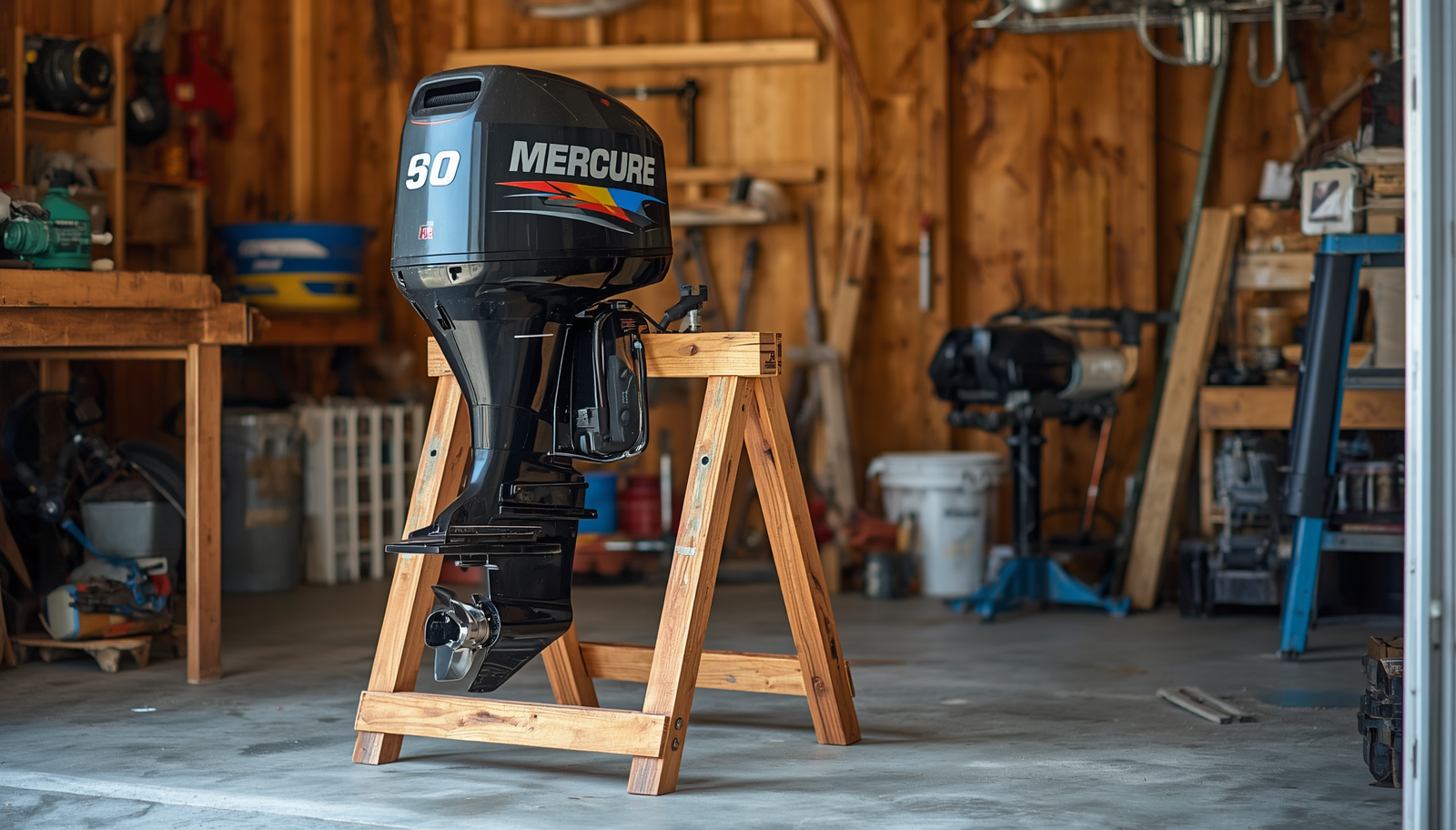
How to Build a Resilient Electrical Infrastructure (Like Building an Outboard Motor Stand)
Just as building a reliable outboard motor stand requires understanding proper structural principles, load distribution, and material selection, constructing a robust marine electrical system demands systematic planning and proper engineering fundamentals.
The analogy is apt: both require:
- Proper Foundation: A motor stand needs a stable base; electrical systems need reliable power generation
- Load Calculation: Understand maximum loads before designing structure or circuits
- Material Selection: Choose materials rated for the environment—stainless steel for marine, proper cable gauges for electrical
- Proper Installation: Correct assembly procedures determine performance and longevity
- Regular Maintenance: Both require preventive upkeep to maintain performance
- Backup Systems: A stand needs stability; a vessel needs backup power
When designing marine electrical systems, engineers must account for redundancy, fail-safe operation, and rapid fault detection—principles as important as structural integrity in mechanical systems.

Smart Monitoring Systems for Modern Vessels
Modern vessels employ sophisticated monitoring systems that continuously track electrical system health.
Key Monitoring Parameters:
- Generator voltage, frequency, and load percentage
- Battery voltage, charge current, and temperature
- Distribution panel temperature and humidity
- Insulation resistance of critical circuits
- Earthing current (leakage current to hull)
- Power factor and harmonic distortion
Systems like Integrated Bridge Systems (IBS) and vessel monitoring systems provide real-time alerts when parameters exceed safe limits, allowing crew to address issues before they become critical.
Regulatory Compliance and Safety Standards
Marine electrical systems must comply with international standards including:
- IMO SOLAS (International Maritime Organization – Safety of Life at Sea): Mandates electrical system requirements for safety-critical functions
- ABS, DNV, Lloyds: Classification society rules that specify design, installation, and maintenance standards
- IEC Standards: International electrical standards adapted for marine applications
- National Flag State Requirements: Additional regulations specific to vessel registration
Compliance isn’t optional—it’s essential for legal operation, insurance coverage, and crew safety.
Real-World Case Studies: Lessons from Marine Electrical Failures
Case Study 1: The Container Vessel with Progressive Power Loss
A 4,500 TEU container vessel began experiencing intermittent loss of power to cargo hold lighting and ventilation systems during her second year of service. Initial investigations found nothing obviously wrong. The problem persisted despite multiple repairs.
Root Cause: Detailed insulation resistance testing revealed progressive degradation in feeder cables running through humid cargo spaces. Saltwater moisture had penetrated the cable insulation despite the protective sheath.
Solution: Complete cable replacement with marine-grade, specially shielded cables routed through additional protective conduit. Installation of humidity monitoring in cargo spaces with improved ventilation.
Lesson: Environmental control in electrical spaces is as important as the equipment itself. Moisture management prevents the majority of marine electrical failures.
Case Study 2: The Offshore Platform’s Generator Synchronization Failure
An offshore drilling platform with four 5-MW generators experienced a catastrophic failure when one generator’s automatic synchronization system malfunctioned, causing the unit to trip offline during an emergency load demand. The remaining three generators couldn’t sustain critical rig operations, forcing an expensive emergency shutdown.
Root Cause: The synchronization control module had not been tested in over two years. When tested, it failed to properly detect frequency variations necessary for synchronization.
Solution: Implementation of quarterly load bank testing with full generator paralleling verification. Upgrade to redundant synchronization controls with automatic fallback systems.
Lesson: Testing must be genuine—running equipment without actual load testing provides false confidence. Redundancy in critical control systems prevents single-point failures.
Case Study 3: The Yacht’s Battery Bank Complete Failure at Sea
A luxury superyacht’s main propulsion failed when the backup electrical system drew maximum current from the battery bank, which proved unable to supply sufficient power due to internal failures in the aging cells.
Root Cause: The 8-year-old battery bank had never been replaced despite the manufacturer’s 5-year service life recommendation. Deteriorated plates and separators couldn’t conduct current effectively.
Solution: Replacement with modern LiFePO4 batteries sized for actual emergency power requirements. Implementation of automatic battery condition monitoring with replacement alerts.
Lesson: Battery age matters. Regular replacement per manufacturer recommendations prevents catastrophic failures. Modern monitoring systems provide early warning before failure occurs.
Implementation Roadmap: Getting Started with Electrical System Improvements
Understanding problems and solutions is valuable, but implementation is what protects your vessels. Here’s a practical roadmap:
Immediate Actions (This Month)
- Schedule comprehensive electrical system audit with qualified marine electrician
- Review last three years of maintenance logs to identify recurring problems
- Test all emergency systems and backup power sources
- Establish emergency procedures for critical electrical failures
- Assign responsibility for electrical system management
Short-Term Improvements (Next 3 Months)
- Implement preventive maintenance schedule for all vessels
- Upgrade battery management systems with monitoring
- Clean and protect all electrical connections from corrosion
- Test and recalibrate protective devices
- Install humidity monitoring in electrical spaces
Medium-Term Enhancements (6-12 Months)
- Upgrade cable insulation where degradation is detected
- Modernize automatic voltage regulation systems
- Implement vessel-wide monitoring systems for real-time electrical data
- Upgrade battery systems in vessels approaching end of service life
- Train crew on electrical troubleshooting and emergency procedures
Long-Term Strategy (1-3 Years)
- Plan comprehensive generator overhauls for aging equipment
- Upgrade switchboard and distribution systems in older vessels
- Implement redundancy for critical electrical circuits
- Develop predictive maintenance using data analytics
- Plan for emerging technologies like hybrid propulsion systems
Conclusion: Protecting Your Fleet’s Electrical Future
Marine electrical problems aren’t inevitable—they’re preventable through systematic maintenance, proper design, and environmental control. The world’s most successful shipping companies and offshore operators understand that electrical system reliability directly impacts profitability, safety, and environmental stewardship.
The key insights from this guide:
- Corrosion is constant: In marine environments, you must actively fight degradation through coatings, materials, and maintenance
- Prevention exceeds cure: Preventive maintenance costs a fraction of emergency repairs and vessel downtime
- Testing validates readiness: Equipment that hasn’t been tested under load conditions is unreliable
- Design matters: Properly engineered systems prevent most problems before they start
- Monitoring enables action: Real-time monitoring systems provide early warning before catastrophic failures
- Compliance isn’t optional: International maritime regulations exist because electrical failures have caused serious accidents
Your vessels represent enormous investments. The electrical systems that power them deserve the same professional management and investment as the hull, engines, and cargo handling equipment. By implementing the prevention strategies outlined in this guide, you’ll reduce maintenance costs, minimize unplanned downtime, improve safety for your crew, and extend vessel service life.
Don’t wait for the next electrical failure. Contact Electrical Marine Solutions today for a comprehensive audit of your vessel’s electrical systems. Our team of certified marine engineers will identify vulnerabilities, recommend improvements tailored to your fleet, and help you implement a maintenance program that protects your investment.
Visit us at: https://electricalmarinesolutions.pl/
Whether you’re managing a single vessel or a fleet of hundreds, we provide the expertise and solutions that maritime professionals trust. Request your complimentary initial consultation today and discover how professional electrical system management can transform your operational efficiency and safety record.
Your crew’s safety depends on reliable electrical systems. Make the right choice for your fleet.
Frequently Asked Questions
How often should we test our emergency electrical systems?
According to SOLAS regulations, emergency lighting systems should be tested monthly, and backup generators should be tested under load quarterly. We recommend monthly basic functionality tests and quarterly full load testing for generators. This ensures systems work when needed and provides early detection of degradation.
What’s the expected lifespan of marine batteries in service?
Marine service typically reduces battery lifespan to 3-5 years, compared to 5-7 years in land-based applications. The harsh environment, temperature fluctuations, and continuous cycling reduce capacity over time. We recommend replacement plans beginning at the 4-year mark, with close monitoring after year 5. Modern monitoring systems provide exact remaining life assessments.
Can we install equipment on older vessels that wasn’t originally designed for it?
Careful engineering is required when adding electrical load to existing systems. The additional power demand must not exceed generation capacity or cause excessive voltage drops. Most vessels can accommodate carefully planned upgrades, but you may need to upgrade the generation system if power requirements increase beyond 15% of total capacity. Consult with a classification society before major electrical additions.
What’s the difference between preventive maintenance and condition-based maintenance?
Preventive maintenance follows fixed schedules (example: service batteries every 6 months). Condition-based maintenance monitors actual equipment condition and services when needed. Modern vessels use hybrid approaches: preventive maintenance for critical items, condition-based for secondary systems. Monitoring systems provide the data needed for effective condition-based decisions.
How do we know if our electrical system needs upgrading?
Consider upgrades if: (1) the system is over 15 years old, (2) you’re experiencing recurring failures, (3) you need to add significant new electrical loads, (4) your classification society issues recommendations during surveys, (5) performance monitoring shows frequent voltage stability issues, or (6) components are becoming difficult to find due to obsolescence. A professional electrical audit can identify whether your system is adequate for current and projected future requirements.