
Brakes are one of the most important safety systems in any vehicle. You use them every time you drive, often without giving them much thought. But the moment you need to slow down quickly, stop at a red light, or avoid a hazard, your brake system becomes the most important part of your car. If you have ever wondered how automotive brakes work, the good news is that the process is easier to understand than it sounds. This article breaks it down in simple terms, from the moment your foot presses the pedal to the instant your wheels begin to slow. The structure of this guide follows the outline you shared. Pasted text
What Is an Automotive Brake System?
An automotive brake system is the group of parts that helps your vehicle slow down or stop safely. At its core, the system works by turning motion into heat through friction. Your car is moving with momentum, and the brakes create controlled resistance to reduce that movement.
In simple terms, when you press the brake pedal, your car sends force through a hydraulic system to the wheels. That force makes brake pads or brake shoes press against spinning parts attached to the wheels. The friction created by that contact slows the wheels down, which slows the whole vehicle.
Modern brake systems are made up of several components that work together almost instantly. Most passenger cars today use hydraulic brakes, which rely on brake fluid to transfer force. Many vehicles also include safety features like ABS, or Anti-lock Braking System, to improve control during hard stops.
How Automotive Brakes Work Step by Step
The easiest way to understand how car brakes work is to follow the process step by step.
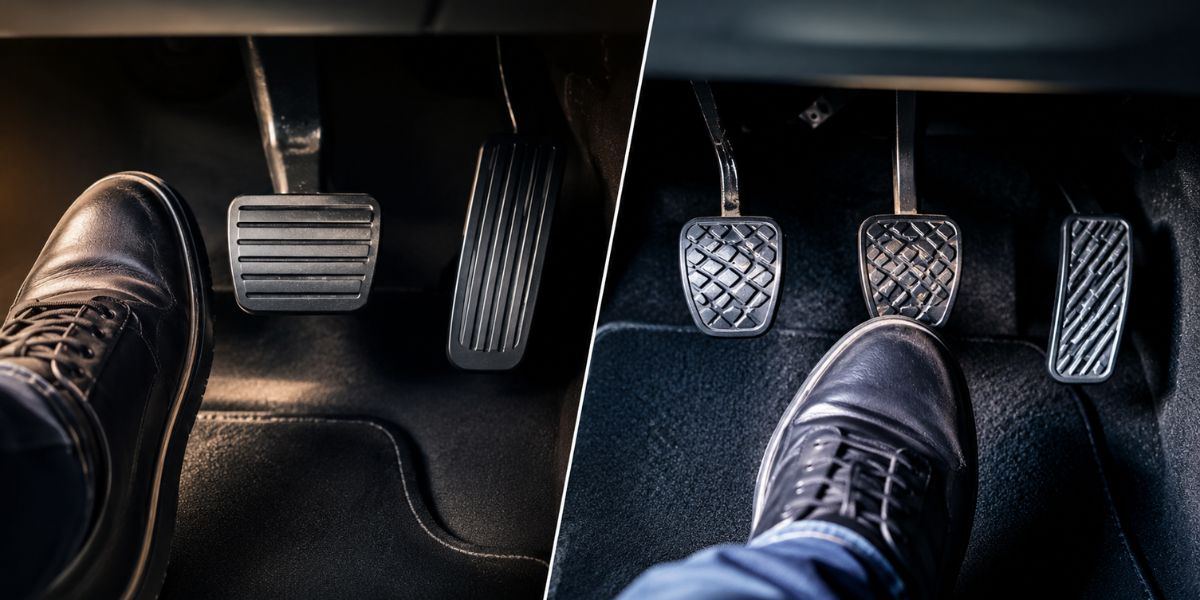
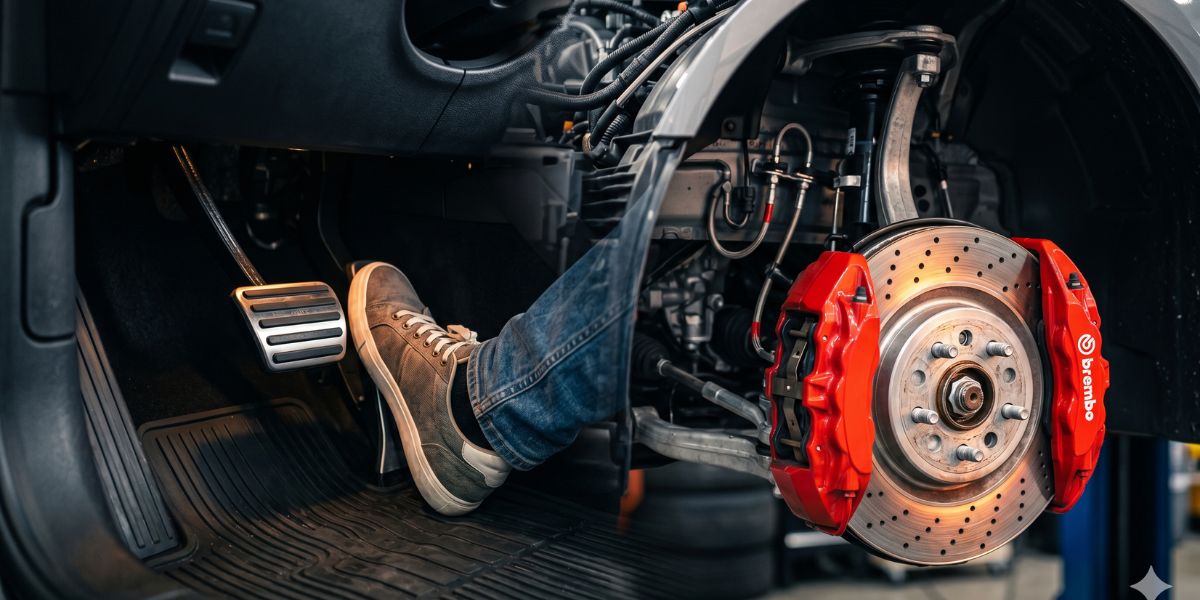
1. You press the brake pedal
Everything begins with your foot. When you press the brake pedal, you apply force into the system.
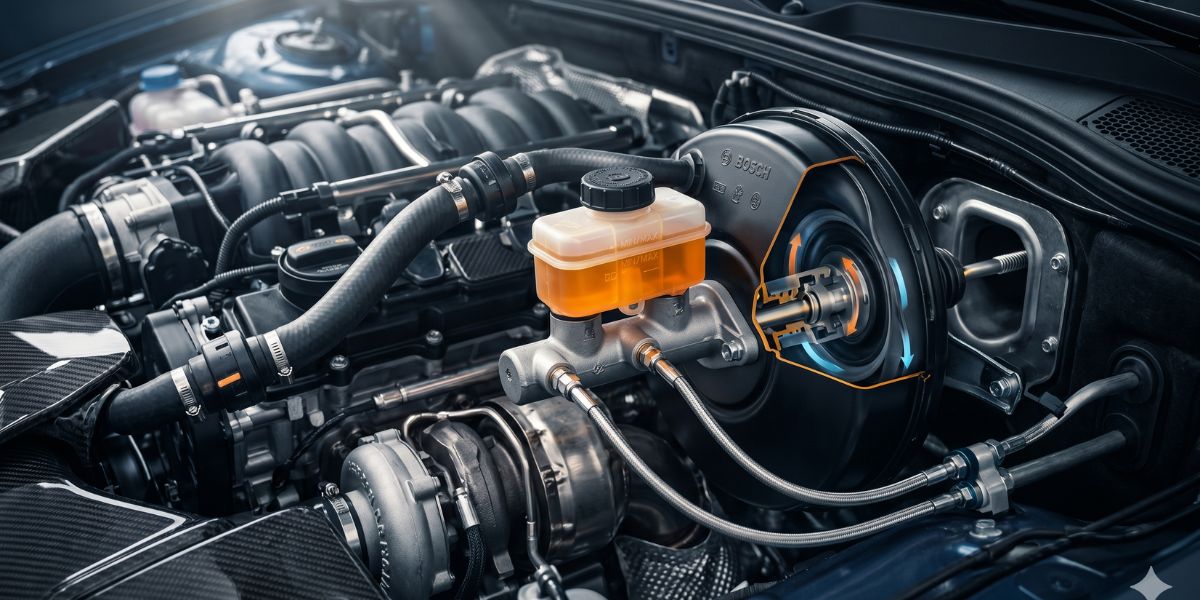
2. The brake booster helps increase force
In most cars, the brake booster reduces the amount of effort needed from the driver. So even a gentle push on the pedal can create strong stopping power.
3. The master cylinder creates hydraulic pressure
The pedal movement pushes into the master cylinder. This component sends brake fluid through the brake lines under pressure.
4. Brake fluid carries pressure to each wheel
Brake fluid moves through sealed lines and hoses. Because the fluid does not compress easily, it transfers force very efficiently.
5. Calipers or wheel cylinders activate
At the wheel end, that hydraulic pressure activates either calipers in a disc brake setup or wheel cylinders in a drum brake setup.
6. Friction materials press against moving parts
In disc brakes, brake pads squeeze against a rotor. In drum brakes, brake shoes press against the inside of a drum.
7. Friction slows wheel rotation
That contact creates friction, which slows the spinning wheels.
8. The vehicle stops
As the wheels slow down, the vehicle loses speed and eventually comes to a stop.
This entire chain reaction happens in a fraction of a second. It feels simple from the driver’s seat, but many parts are working together behind the scenes.
The Main Parts of a Car Brake System
To really understand how automotive brakes work, it helps to know the key components and what each one does.
Brake pedal
This is the part you press with your foot. It starts the braking process.
Brake booster
The brake booster makes braking easier by increasing the force from your foot. Without it, the pedal would feel much harder to press.
Master cylinder
The master cylinder converts pedal force into hydraulic pressure and pushes brake fluid through the system.
Brake fluid
Brake fluid transfers the force from the master cylinder to the brakes at the wheels.
Brake lines and hoses
These carry the pressurized fluid from the master cylinder to each wheel.
Calipers
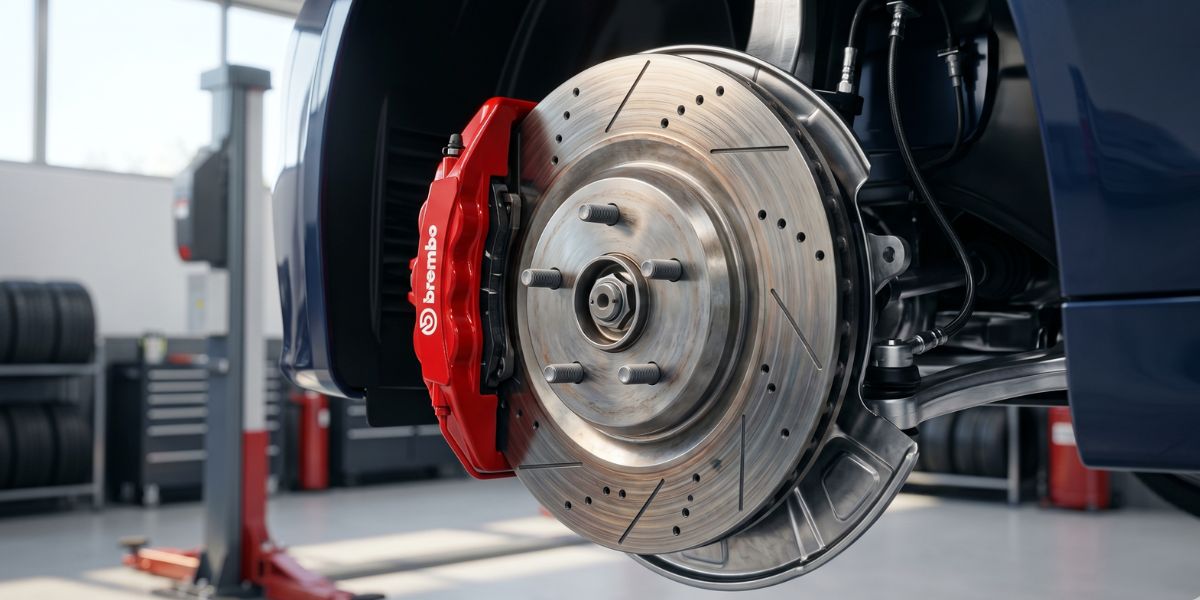
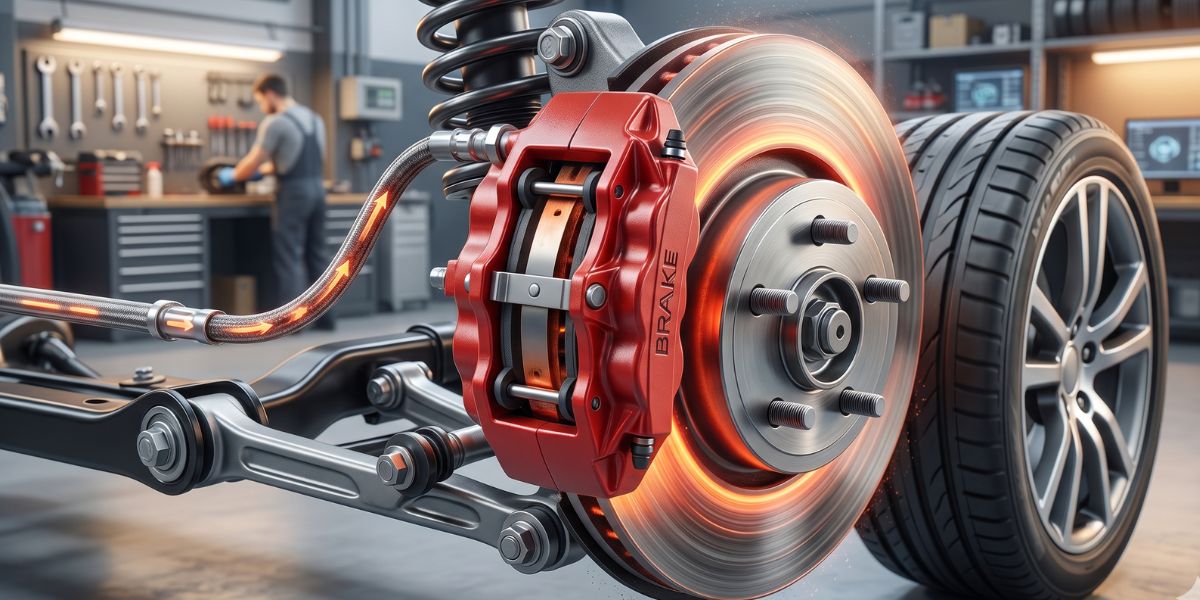
In disc brake systems, calipers hold the brake pads and squeeze them against the rotor.
Brake pads
Brake pads are friction materials that press against the rotor to slow it down.
Rotors
Rotors are metal discs attached to the wheels. When the pads clamp onto them, they slow wheel rotation.
Brake drums
Some vehicles use brake drums, especially on rear wheels. A drum rotates with the wheel.
Brake shoes
Brake shoes are curved friction parts inside a drum brake system. They push outward against the drum.
Wheel cylinders
In drum brakes, wheel cylinders use hydraulic pressure to push the brake shoes outward.
Different vehicles may have slightly different layouts, but these are the main parts found in most systems.
How Hydraulic Brakes Work
Hydraulic brakes are common because they are efficient, reliable, and powerful. The idea behind them is simple. Instead of using only a cable or rod to connect your foot directly to the brakes, the system uses fluid.
Why is that helpful? Because fluid can transfer force evenly and quickly.
When you push on the brake pedal, the master cylinder creates pressure in the brake fluid. Since the fluid resists compression, the pressure travels through the brake lines to the wheels with very little loss. That means a small amount of force from your foot can become much stronger force at the brake pads or shoes.
Think of it like pressing one end of a sealed syringe filled with liquid. The pressure moves through the liquid immediately. That is the same basic principle used in a hydraulic brake system.
This design also allows the system to split force across all four wheels. It gives drivers smoother and more balanced braking.
However, hydraulic brakes only work well if the system stays sealed. If there is a leak, pressure can drop. If air gets into the lines, the pedal may feel soft or spongy because air compresses more than fluid. That reduces braking performance and makes the system less predictable.
How Disc Brakes Work
Disc brakes are used on the front wheels of most modern cars, and many vehicles now use them on all four wheels.
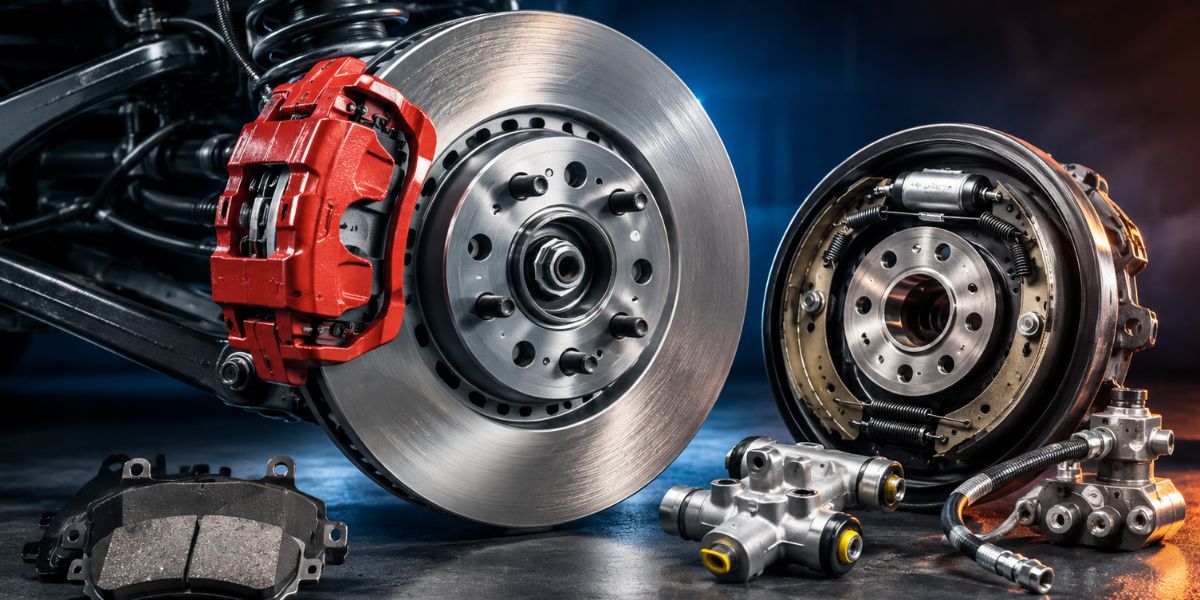
A disc brake system includes three main parts:
- Rotor
- Caliper
- Brake pads
The rotor spins with the wheel. The caliper sits over the rotor and holds the brake pads on each side. When you press the pedal, hydraulic pressure reaches the caliper. The caliper then squeezes the pads against the spinning rotor.
That squeezing action creates friction. The friction slows the rotor, and because the rotor is attached to the wheel, the wheel slows too.
Disc brakes are popular for a few good reasons. First, they provide strong stopping power. Second, they handle heat better than drum brakes. Since the rotor is exposed to open air, heat can escape more easily. This helps prevent brake fade, which can happen when brakes get too hot and lose effectiveness.
For example, if you are driving down a long hill and braking often, disc brakes usually manage repeated stops better than older brake designs.
How Drum Brakes Work
Drum brakes are an older design, but they are still used on many vehicles, especially on the rear wheels.
A drum brake system usually includes:
- Brake drum
- Brake shoes
- Wheel cylinder
The drum rotates with the wheel. Inside the drum are the brake shoes. When you press the brake pedal, hydraulic pressure reaches the wheel cylinder. The wheel cylinder pushes the brake shoes outward so they press against the inside surface of the drum.
That contact creates friction and slows the wheel.
Drum brakes can still work well, and they are often more affordable to manufacture. They also integrate easily with some parking brake systems. However, they tend to hold heat more than disc brakes because many parts are enclosed inside the drum. That can make them less effective during repeated hard braking.
In everyday driving, drum brakes are still perfectly functional. But in terms of cooling, performance, and ease of service, disc brakes usually have the edge.
Disc Brakes vs Drum Brakes
Both brake types do the same job, but they do it in different ways.
Disc brakes use pads and rotors. Drum brakes use shoes and drums. Disc brakes generally offer better stopping consistency because they cool down faster. They are also easier to inspect visually in many cases.
Drum brakes are often cheaper and can last a long time in lighter-duty rear-wheel applications. That is why some automakers still use them on the rear axle of economy cars.
A common setup is disc brakes in front and drum brakes in the rear. Why? Because front brakes usually handle more of the stopping load when a vehicle slows down. The front of the car dips slightly during braking, which puts more weight on the front wheels.
So if you are wondering whether one system is “better,” the answer depends on the application. For most modern passenger cars, disc brakes are favored where strong, repeatable performance matters most.
What Role Does Brake Fluid Play?
Brake fluid is one of the most overlooked parts of the brake system, but it is essential.
Its main job is to transfer force. When you press the brake pedal, brake fluid carries that hydraulic pressure through the lines to the brakes at each wheel. Without it, the system cannot work as designed.
The type of brake fluid matters too. Vehicles are designed for specific fluid ratings, such as DOT 3, DOT 4, or DOT 5.1 in many cases. Using the wrong type can affect performance and damage seals or components.
Brake fluid can also absorb moisture over time. That is a problem because water contamination lowers the fluid’s boiling point. Under heavy braking, the fluid can get hot. If contaminated fluid boils, it can create vapor in the system, which hurts braking performance and pedal feel.
This is one reason many manufacturers recommend replacing brake fluid at intervals. Fresh fluid helps the system stay responsive and safe.
How ABS Brakes Work
ABS stands for Anti-lock Braking System. It is designed to prevent the wheels from locking up during hard braking.
When a wheel locks, it stops rotating and starts skidding. That can reduce steering control, especially on wet or slippery roads. ABS helps by rapidly adjusting brake pressure so the wheels keep rotating enough to maintain traction.
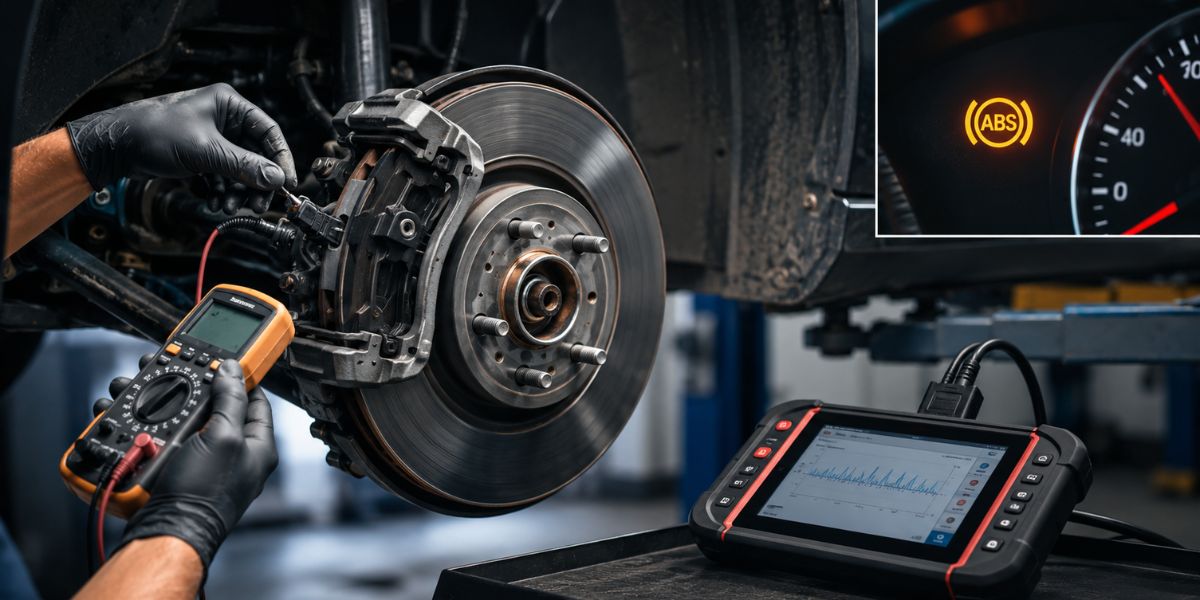
The system uses wheel speed sensors, an electronic control module, and hydraulic valves. If the system detects that one or more wheels are about to lock, it quickly reduces and reapplies pressure many times per second.
Drivers sometimes feel a pulsing sensation in the brake pedal when ABS activates. That is normal.
A good real-world example is emergency braking on a rainy road. Without ABS, locked wheels can send the car into a skid. With ABS, the driver usually has a better chance of steering around an obstacle while still braking hard.
ABS does not always reduce stopping distance on every surface, especially on loose gravel or snow. But it often improves control, and that is a major safety benefit.
What Happens When You Press the Brake Pedal?
From the driver’s point of view, braking feels simple. You see a stop sign, move your foot, and press the pedal. But inside the system, a lot happens instantly.
The pedal movement triggers the brake booster, which helps multiply your input. Then the master cylinder sends hydraulic pressure into the brake lines. That pressure reaches the calipers or wheel cylinders. The friction material makes contact, the wheels slow down, and the car stops.
A healthy brake pedal should feel firm and predictable. If the pedal feels too soft, air in the lines or a fluid leak may be the cause. If it feels unusually hard, there could be a problem with the brake booster. If it vibrates, warped rotors or ABS activation could be involved.
So the next time you brake smoothly at a traffic light, remember that your vehicle is performing a fast and carefully coordinated mechanical process.
Common Signs Your Brakes May Have a Problem
Brake issues often show warning signs before they become serious. Knowing those signs can help you deal with problems early.
Squeaking or squealing
This can happen when brake pads are worn or when there is dust or moisture on the braking surface.
Grinding noise
Grinding is more serious. It may mean the brake pad material is worn away and metal is contacting metal.
Soft or spongy pedal
This often points to air in the brake lines or a hydraulic leak.
Vibrations while braking
This may be caused by uneven or warped rotors.
Pulling to one side
A stuck caliper, uneven pad wear, or hydraulic imbalance can cause this.
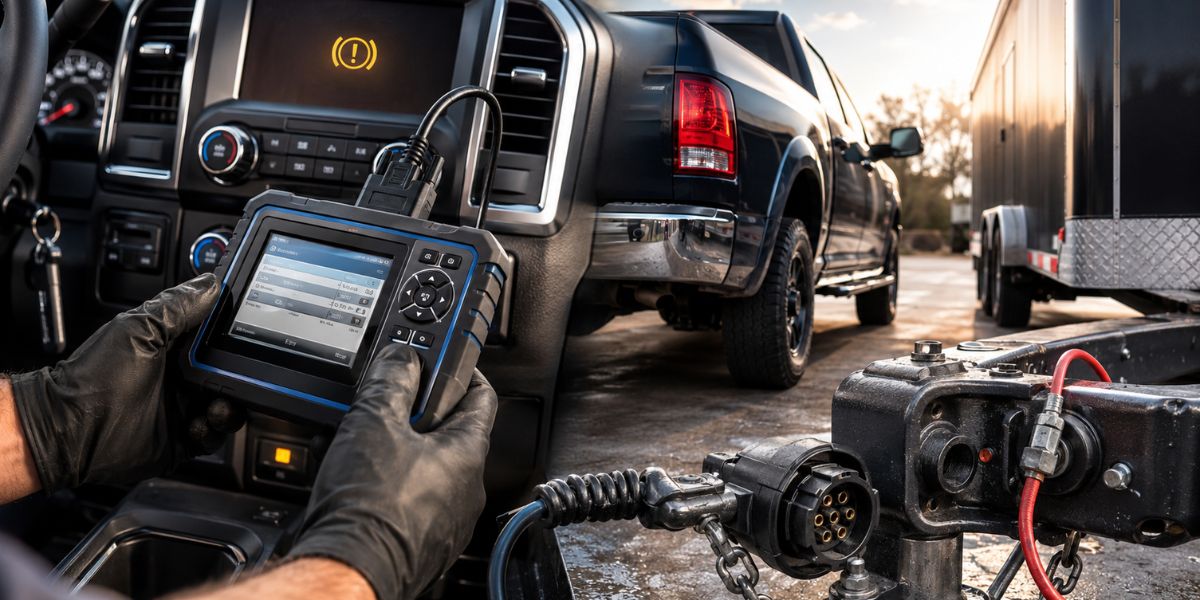
Brake warning light
Never ignore a brake warning light. It may signal low fluid, worn components, or system faults.
Burning smell
Overheated brakes can produce a sharp burning odor, especially after heavy braking.
Longer stopping distances
If your car takes more distance to stop than usual, something in the system may not be working correctly.
Brake problems can involve pads, rotors, calipers, fluid, hoses, drums, shoes, or ABS components. The safest response is prompt inspection.
Why Brake Maintenance Is Important
Regular brake maintenance is not just about avoiding repairs. It is about safety, confidence, and predictable performance.
Brake pads wear down with use. Rotors can become uneven. Brake fluid can absorb moisture. Calipers and hoses can age. If these issues are ignored, the cost of repair can rise quickly.
Routine brake care often includes:
- Replacing worn brake pads
- Inspecting or replacing rotors
- Checking brake fluid condition
- Looking for leaks in lines and hoses
- Inspecting calipers, drums, shoes, and hardware
For example, replacing brake pads early is usually much cheaper than waiting until damaged pads ruin the rotors too.
Well-maintained brakes also make the car feel better to drive. The pedal feels more responsive, stops feel smoother, and the whole vehicle feels safer.
Factors That Affect Braking Performance
Even a healthy brake system can perform differently depending on conditions. Several factors affect how well your brakes work.
Vehicle speed
The faster you are going, the more energy the brakes must absorb.
Vehicle weight
A heavier vehicle requires more stopping force.
Road conditions
Wet, icy, or dirty roads reduce traction and increase stopping distance.
Tire condition
Brakes may work fine, but poor tires reduce grip and hurt braking effectiveness.
Brake pad quality
Not all brake pads perform the same. Material choice affects stopping feel, dust, noise, and heat resistance.
Brake fluid condition
Old or contaminated fluid can reduce responsiveness.
Heat buildup
Repeated hard braking can overheat components and reduce stopping consistency.
In other words, braking performance depends on the brake system and the vehicle as a whole.
A Simple Summary of How Automotive Brakes Work
So, how do automotive brakes work?
In simple terms, you press the brake pedal, hydraulic pressure moves through brake fluid, and that force activates brake parts at the wheels. Brake pads press against rotors or brake shoes press against drums. The resulting friction slows the wheels, and the car stops.
It is a fast, efficient system built around hydraulic force and friction. Each part has an important job, and when they work together correctly, braking feels smooth, strong, and safe.
That is why regular brake checks matter. Good brakes are not just convenient. They are essential.
FAQS
How do automotive brakes work in simple terms?
When you press the brake pedal, hydraulic pressure moves through the system and activates the brakes at the wheels. The brake pads or shoes create friction against moving parts, which slows the vehicle down.
Do all cars use the same type of brakes?
No. Many cars use disc brakes in front and either disc or drum brakes in the rear. The exact setup depends on the vehicle design and manufacturer choices.
What is the difference between disc brakes and drum brakes?
Disc brakes use pads and rotors, while drum brakes use shoes and drums. Disc brakes usually cool better and provide more consistent performance under repeated use.
How does brake fluid help the braking system work?
Brake fluid transfers force from the master cylinder to the wheel brakes. Without proper hydraulic pressure, the system cannot stop the car effectively.
What happens if air gets into the brake lines?
Air can make the brake pedal feel soft or spongy. Because air compresses more than fluid, it reduces how effectively pressure is transferred through the system.
How does ABS help when braking?
ABS helps prevent the wheels from locking during hard braking. This improves steering control and can reduce skidding in emergency situations.
Why do brakes make squeaking or grinding noises?
Squeaking may be caused by worn pads, dust, or moisture. Grinding often means there is serious pad wear and possible rotor damage.
How often should brakes be inspected?
Brakes should be checked during regular maintenance and anytime you notice unusual sounds, pedal feel, or stopping behavior. Exact intervals depend on your vehicle and driving habits.
Can worn brake pads affect stopping distance?
Yes. Worn pads reduce braking effectiveness and can damage other parts like rotors. Replacing them on time helps maintain safe stopping performance.
Is it safe to drive with a brake warning light on?
It is not a good idea to ignore it. A brake warning light may signal a serious issue, and the vehicle should be inspected as soon as possible.